
NVIDIA


GeForce 310M vs Intel Arc 130V
Pełne porównanie specyfikacji, wydajności i benchmarków
Intel
Intel Arc 130V
Zbiorczy wynik wydajności
Porównaliśmy GeForce 310M i Intel Arc 130V według specyfikacji oraz istotnych testów.
↗Intel Arc 130V wyprzedza GeForce 310M o 27% według zbiorczego indeksu Head to Head.+27%
Wyniki są normalizowane w skali Head to Head. Wyżej znaczy lepiej. How is this calculated?Jakość danych H2HBench
Niska wiarygodnośćSpecyfikacja: Brak zapisu weryfikacji polaZweryfikowane wyniki gier: 0Wyniki szacowane / niezweryfikowane: 32Zaktualizowano zapis ceny: 6 wrz 2026
Mało zweryfikowanych danych
Werdykt H2HBench
Wyższa ocena katalogowa: GeForce 310M (~5%)
Różnica ocen nie jest zmierzonym wzrostem FPS.
Powody, by rozważyć GeForce 310M
- Zapisana obsługa funkcji: OpenCL 1.1, CUDA 1.2 · Not supported
Powody, by rozważyć Intel Arc 130V
- Wyższy katalogowy indeks wydajności
- Wyższy indeks opłacalności
- Zapisana obsługa funkcji: OpenCL 3.0 · XeSS
Catalog metrics radar
Osie bez danych są ukryte; każda wartość używa stałej skali.
 NVIDIA
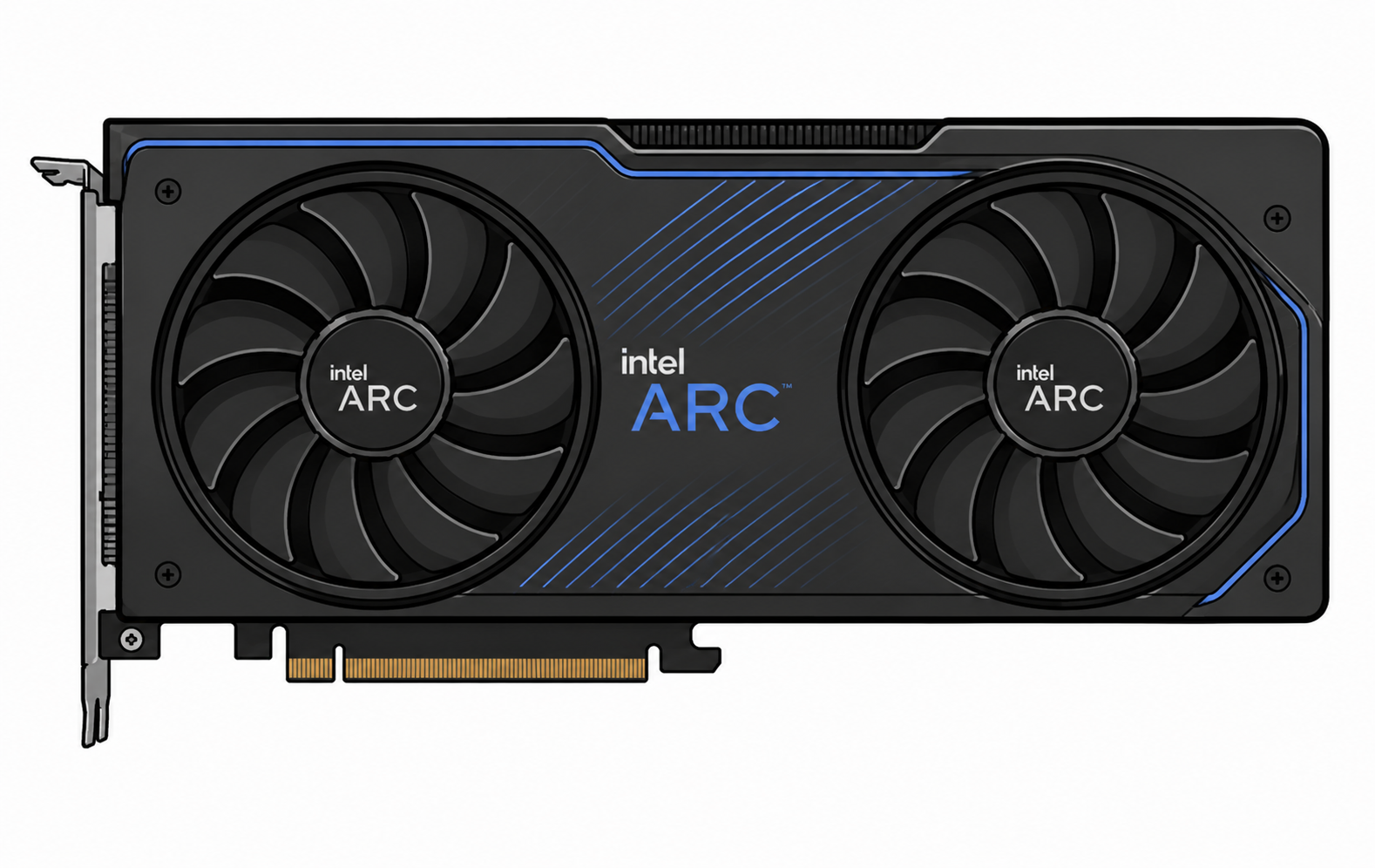 Intel
IntelWydajność
Cena / wydajność
3038
5465
Ranking kart graficznych
Pozycje 116–121z 411
Co wybrać?
Dwa praktyczne wnioski oparte na głosach społeczności i wartości w grach.
Intel Arc 130V
170 polubieńOdwiedzający Head to Head obecnie częściej wybierają ten model.
Przegląd
Scores are calculated from specifications, performance, and efficiency.
GryWydajność DirectX, OpenCL i Vulkan
30
38Lepsze
Aplikacje profesjonalneModelowanie 3D, montaż wideo i rendering
28
34Lepsze
AI i machine learningMożliwości machine learning i AI
26
31Lepsze
Efektywność energetycznaPobór mocy w różnych obciążeniach
100Lepsze
33
Ocena Head to HeadOgólna ocena katalogu
42Lepsze
40
Specyfikacja
The better numeric value is highlighted in green, taking the metric direction into account.
Data premiery
HDMI
DisplayPort
Maks. rozdzielczość
Maks. liczba monitorów
USB Type-C
Zalecany zasilacz
DirectX
OpenGL
TFLOPS
Pobór mocy—
Architektura
Typ pamięci
API obliczeniowe
Cena premierowa——
Jednostki shader / rdzenie
Interfejs
Złącze zasilania
Długość
Rozmiar rdzenia
Cache pamięci
Taktowanie—
Taktowanie bazowe
Taktowanie boost
Pamięć wideo
Taktowanie pamięci—
Magistrala pamięci
Przepustowość pamięci—
Pobór mocy—
Proces technologiczny—
Liczba tranzystorów
Grubość
Device class
Upscaling
Vulkan
FPS w grach
Available results are shown separately; missing data is not treated as zero.
Sekcja FPS w grach porównuje GeForce 310M i Intel Arc 130V w wybranych presetach H2H Lab. Ważny jest nie tylko średni FPS: liczy się zachowanie w 1440p i 4K, wpływ pamięci oraz magistrali na ciężkie tekstury, stabilność 1% low i to, czy silnik gry premiuje raster, ray tracing czy dojrzałość sterowników.
GeForce 310MIntel Arc 130V
Zweryfikowane zewnętrznieOszacowanieSources ↗
Counter-Strike 2
1080p High
150 FPS
157 FPS
1080p Ultra
106 FPS
111 FPS
1440p Ultra
57 FPS
86 FPS
4K Ultra
20 FPS
43 FPS
Counter-Strike 2GeForce 310M150 FPSIntel Arc 130V157 FPSGeForce 310M106 FPSIntel Arc 130V111 FPSGeForce 310M57 FPSIntel Arc 130V86 FPSGeForce 310M20 FPSIntel Arc 130V43 FPS
Cyberpunk 2077GeForce 310M97 FPSIntel Arc 130V102 FPSGeForce 310M84 FPSIntel Arc 130V88 FPSGeForce 310M41 FPSIntel Arc 130V62 FPSGeForce 310M14 FPSIntel Arc 130V29 FPS
Forza Horizon 5GeForce 310M122 FPSIntel Arc 130V128 FPSGeForce 310M79 FPSIntel Arc 130V83 FPSGeForce 310M51 FPSIntel Arc 130V77 FPSGeForce 310M30 FPSIntel Arc 130V63 FPS
Hogwarts LegacyGeForce 310M79 FPSIntel Arc 130V83 FPSGeForce 310M66 FPSIntel Arc 130V69 FPSGeForce 310M37 FPSIntel Arc 130V56 FPSGeForce 310M14 FPSIntel Arc 130V29 FPS
Indeksy obciążeń H2H
Porównywalne indeksy wewnętrzne w stałej skali 0–100.
H2H Raster IndexH2H Index / 100303824%
H2H Compute IndexH2H Index / 100303824%
H2H Rendering IndexH2H Index / 100343811%
H2H Memory Workload IndexH2H Index / 100430200%
H2H Efficiency IndexH2H Index / 1001000200%
Wersjonowane indeksy H2H z normalizowanych danych katalogu; nie są wynikami zewnętrznych benchmarków.
Indeksy obciążeń AI H2H
Profile szacowane na podstawie dostępnej wydajności i pamięci.
H2H Image Generation IndexH2H Index / 10036385%
H2H ML Training IndexH2H Index / 10035388%
H2H Inference IndexH2H Index / 100343811%
H2H Local LLM IndexH2H Index / 10037383%
H2H Computer Vision IndexH2H Index / 100343811%
Wersjonowane indeksy H2H z normalizowanych danych katalogu; nie są wynikami zewnętrznych benchmarków.
API graficzne, SDK i upscaling
DirectX10.112.2
VulkanNot supported1.4
OpenGL3.34.6
UpscalingNot supportedXeSS
API obliczenioweOpenCL 1.1, CUDA 1.2OpenCL 3.0
Architektura i premiera
ArchitekturaTeslaXe2 LPG
Proces technologiczny40 nm—
Data premiery20102024
Device classMobileMobile
Rdzenie GPU, die i taktowania
Liczba tranzystorów260 millionNot publicly specified
Rozmiar rdzenia57 mm²Not publicly specified
Jednostki shader / rdzenie16Not publicly specified
Taktowanie bazowe606 MHzOEM/TGP dependent
Taktowanie boost606 MHzOEM/TGP dependent
Rozmiar płytki, zasilanie i zgodność
InterfejsPCIe 2.0 x16OEM platform dependent
DługośćOEM dependentOEM dependent
GrubośćIGPOEM dependent
Zalecany zasilaczOEM dependentOEM dependent
Złącze zasilaniaNoneIntegrated laptop power
Wyjścia obrazu i limity
HDMIOEM dependentOEM dependent
DisplayPortOEM dependentOEM dependent
USB Type-COEM dependentOEM dependent
Maks. liczba monitorówOEM dependentOEM dependent
Maks. rozdzielczośćDepends on host systemOEM dependent
Pamięć i przepustowość obliczeń
Pamięć wideo1 GB DDR3OEM configuration dependent
Typ pamięciGDDR3 / DDR3Shared LPDDR5X
Magistrala pamięci64 bitOEM configuration dependent
TFLOPS0.049OEM/TGP dependent
Inne porównania
Reviews and questions
Wyjaśnij to porównanie
Nie tylko procenty: przyczyny, istotne specyfikacje i praktyczny wpływ każdego wykresu.
Co wyjaśni AI
Wynik ogólny, radar, FPS, testy syntetyczne, specyfikacje, efektywność i opłacalność.
Szczegóły dowodów
Pokrycie danymi
- Zweryfikowane wyniki gier
- 0
- Zweryfikowane wyniki syntetyczne
- 0
- Gry ze zweryfikowanymi wynikami
- 0
- Zweryfikowane wyniki społeczności
- 0
- Wyniki szacowane / niezweryfikowane
- 32
- Specyfikacja
- 0 / 62
Obliczone oceny · Jak to obliczono?
Oceny korzystają z modelu katalogu i mogą zawierać szacowane dane. Otwórz ocenę, aby zobaczyć pochodzenie i metodologię.
clamp(round(performance × 0.7 + (efficiency ?? 50) × 0.2 + (value is missing ? 0 : (value − 50) × 0.2)), 0, 100)Dowody cenowe · Zobacz źródła (2)
Zweryfikowane wyniki społeczności
Brak zweryfikowanych testów społeczności.
Sprawdził
Nie zapisano indywidualnej weryfikacji redakcyjnej tego porównania.
Historia porównania
Pokaż zapisane zmiany (2)
- · Record updated: products
- · Record updated: products
Dlaczego można ufać temu porównaniu
Pochodzenie i wiarygodność ocenia się na podstawie dowodów dla każdej wartości. Wyniki niezweryfikowane są oznaczone, a daty specyfikacji, testów i cen pozostają oddzielne.
Doświadczenia właścicieli
Prawdziwe zestawy, wyniki i opinie społeczności.
Sprawdzone przez moderatoraPomocne dla społecznościOdznaki eksperta
Najczęstsze pytania o porównanie
Short recommendations based on performance, memory, power consumption, and intended use.
01Which is better for gaming: GeForce 310M or Intel Arc 130V?+
GeForce 310M has the higher overall gaming score, while Intel Arc 130V offers the better price-to-performance ratio. The final choice depends on resolution and settings.
02Which is better for streaming?+
GeForce 310M is the stronger streaming choice thanks to performance, hardware encoding, and application support. Check AV1, H.264, and HEVC support before buying.
03Which is better for Blender?+
GeForce 310M is generally the better option for Blender and GPU rendering. Rendering-engine support and available VRAM also matter.
04Which is better for video editing?+
GeForce 310M offers more overall performance, while GeForce 310M offers more memory headroom. Codecs, hardware encoders, and editor optimization can change the result.
05Which is better for neural networks and AI?+
GeForce 310M is the more practical option for local AI workloads. VRAM capacity, compute libraries, and framework compatibility are especially important.
06Which is better for 1080p?+
Intel Arc 130V is the most rational 1080p choice, where high frame rates and cost per frame matter most.
07Which is better for 1440p?+
GeForce 310M leads in combined 1440p performance. GeForce 310M can be preferable for heavy textures and games with high VRAM usage.
08Which is better for 4K?+
GeForce 310M is preferable for 4K, where total performance, memory bandwidth, and VRAM capacity have the greatest impact.
09Which is better for a quiet PC?+
GeForce 310M is easier to use in a quiet build because of its lower estimated power and thermal load. Actual noise depends on the specific cooler.
10Which is better without replacing the power supply?+
GeForce 310M is the safer candidate because its stated power consumption is lower. Verify PSU wattage, age, and power connectors.
11Is it worth upgrading from the previous generation?+
Consider upgrading to GeForce 310M if your current device no longer delivers the required FPS, memory capacity, or feature support. A gain below 15–20% is usually worth waiting for a price cut.