
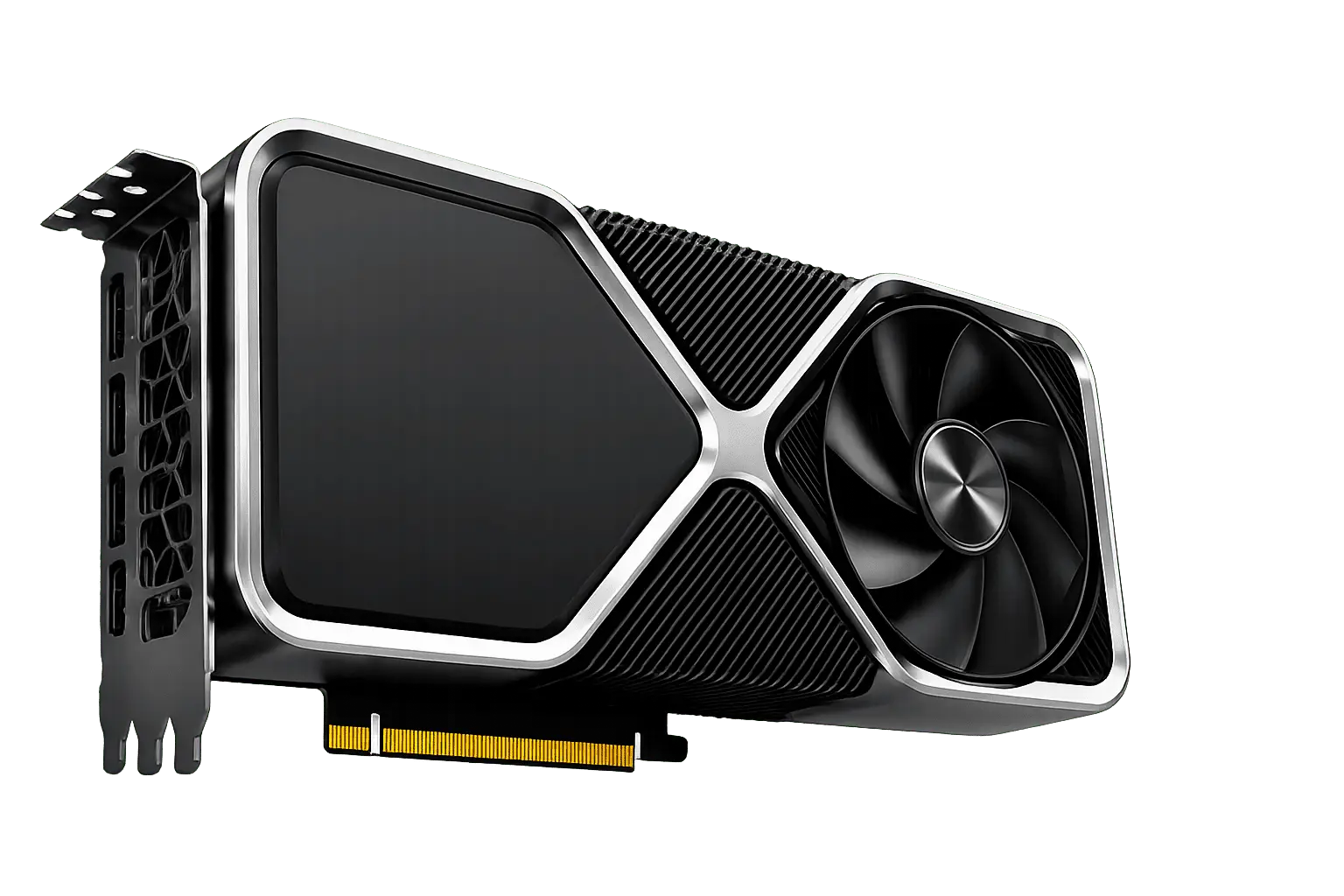

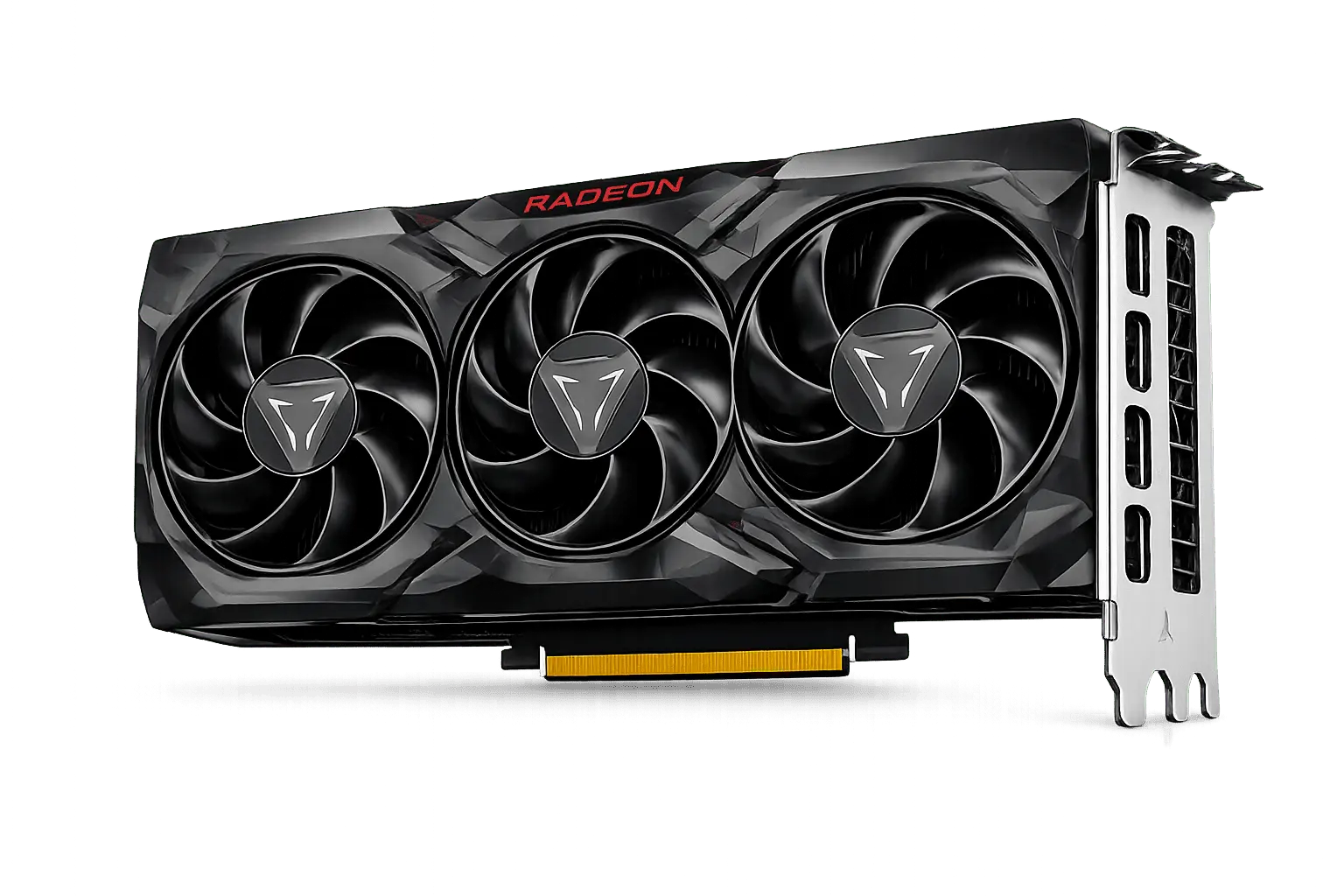
GeForce RTX 3050 8 GBVSRadeon Navi II 2CU 7xxx/9xxx
Performance, specifications and real-world gaming comparison
♜ WINNERGeForce RTX 3050 8 GB+1%Migliori prestazioni nei giochi
NVIDIA
RTX 3050 8 GB
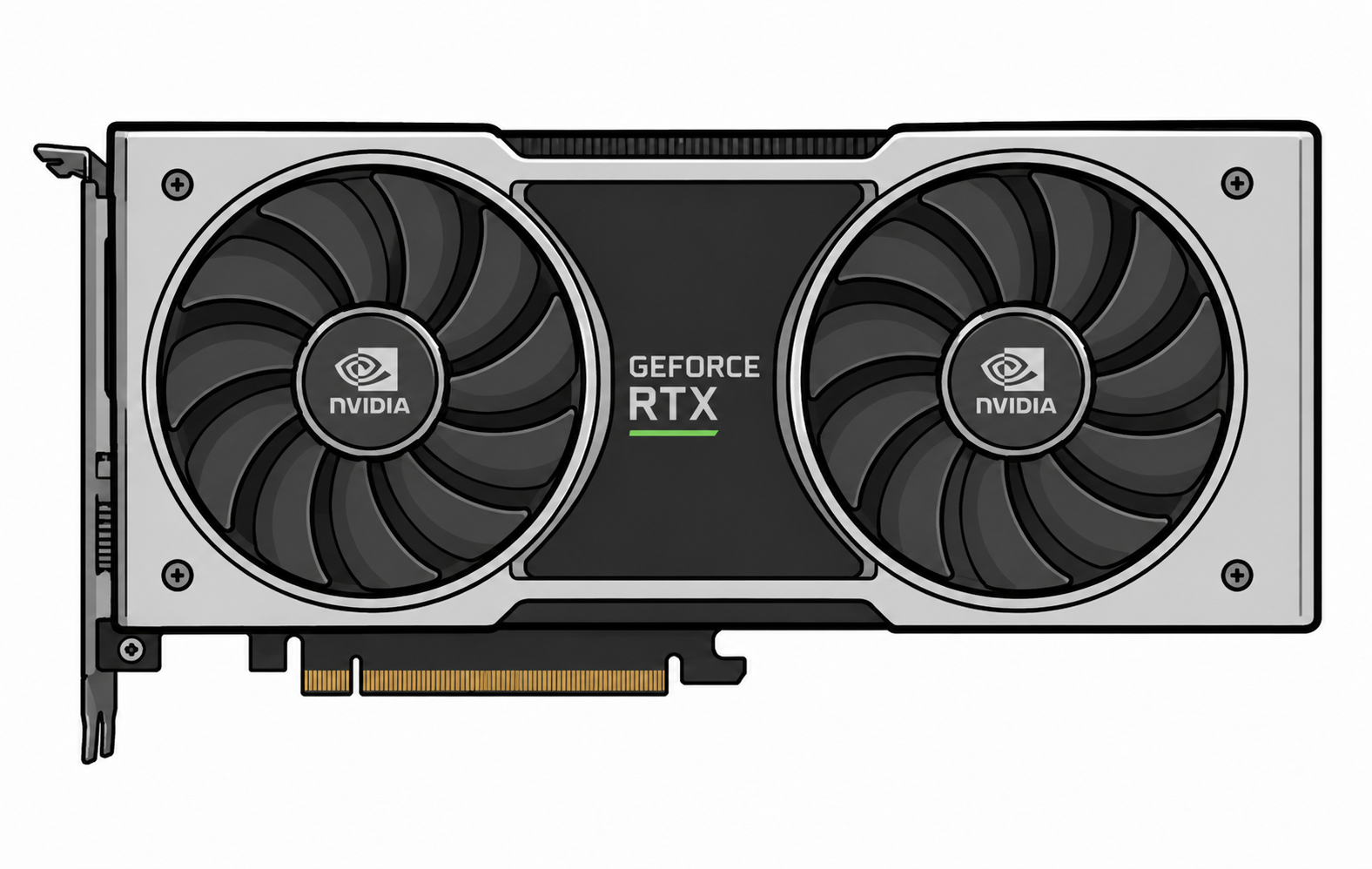
VSVINCITORERTX 3050 8 GB0%Migliori prestazioni nei giochi
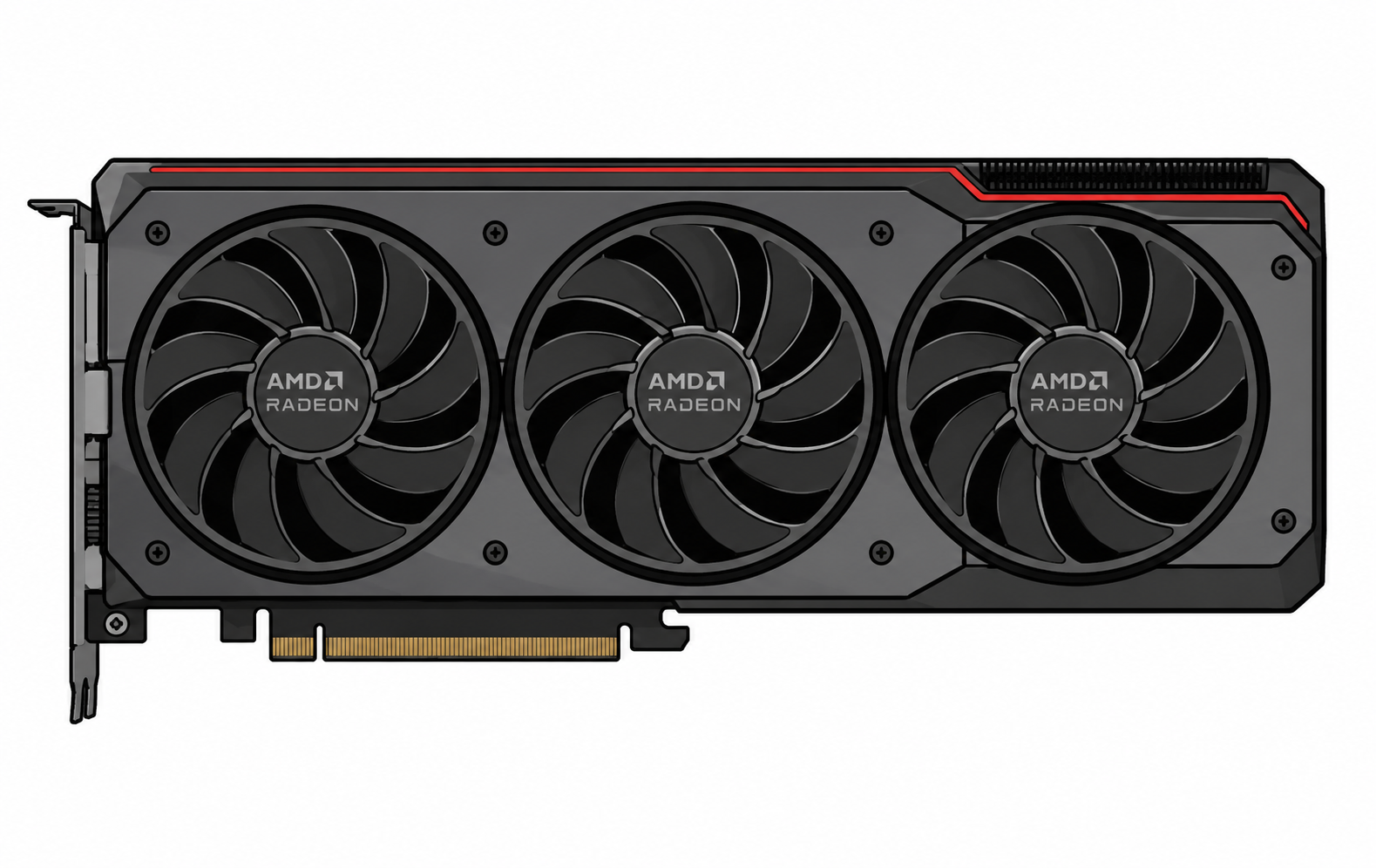
AMD
Navi II 2CU 7xxx/9xxx
Prestazioni4444
Prezzo / prestazioni100100
Affidabilità dei dati6969
Modello H2H a scala fissa. Le metriche mancanti vengono omesse invece di essere stimate dal punteggio complessivo.
GeForce RTX 3050 8 GB vs Radeon Navi II 2CU 7xxx/9xxx: conclusione chiave
Il confronto tra RTX 3050 8 GB e Navi II 2CU 7xxx/9xxx mostra un vantaggio del 0% per RTX 3050 8 GB in «prestazioni nei giochi», mentre Navi II 2CU 7xxx/9xxx può essere migliore in «efficienza e funzioni». Le sezioni sotto spiegano se il divario nasce da FPS, specifiche, efficienza, prezzo o piattaforma.
PROFILO RIASSUNTIVO
Radar delle metriche verificate
Gli assi senza dati sono nascosti; ogni valore usa una scala fissa.
 NVIDIA
 AMD
AMDPrestazioni
Prezzo / prestazioni
4444
100100
RISULTATO DEL CONFRONTO
RTX 3050 8 GB è la scelta migliore in generale
RTX 3050 8 GB guida nelle prestazioni combinate nei giochi. RTX 3050 8 GB offre il miglior prezzo per frame; la scelta finale dipende da funzioni, memoria e giochi.
RTX 3050 8 GB guida nell’indice combinato
Navi II 2CU 7xxx/9xxx costa meno
POSIZIONE NEL CATALOGO
Classifica completa →Classifica schede video
Posizioni 42–47di 61
VERDETTO DEL CONFRONTO
Quale scegliere?
Due conclusioni pratiche basate sui voti della community e sul valore nei giochi.
GeForce RTX 3050 8 GB
0 Mi piaceI visitatori di Head to Head scelgono attualmente questo modello più spesso.
Radeon Navi II 2CU 7xxx/9xxx
100/100 · Prezzo $89La scelta si basa sull’indice prezzo/prestazioni e sul prezzo di lancio.
PUNTEGGIO COMPLESSIVO
Panoramica
Scores are calculated from specifications, performance, and efficiency.
La sezione «Punteggio riepilogativo» confronta RTX 3050 8 GB e Navi II 2CU 7xxx/9xxx con dati H2H normalizzati e trasforma specifiche, test e valore in contesto pratico d’acquisto.
GiochiPrestazioni DirectX, OpenCL e Vulkan
44
44
Applicazioni professionaliModellazione 3D, montaggio video e rendering
38
38
IA e machine learningCapacità di machine learning e IA
36
36
Efficienza energeticaConsumo in diversi carichi
100Migliore
51
Punteggio Head to HeadPunteggio complessivo del catalogo
65Migliore
58
CONFRONTO COMPLETO
Specifiche
The better numeric value is highlighted in green, taking the metric direction into account.
La sezione «Specifiche» confronta RTX 3050 8 GB e Navi II 2CU 7xxx/9xxx con dati H2H normalizzati e trasforma specifiche, test e valore in contesto pratico d’acquisto.
DisplayPort3x DisplayPort 1.4a3x DisplayPort 1.4a
HDMI1x HDMI 2.11x HDMI 2.1
Device classDesktopDesktop
UpscalingDLSS 2FSR
Risoluzione massima7680 × 43207680 × 4320
USB Type-CNoNo
DirectX12.212.2
Vulkan1.41.3
OpenGL4.64.6
TFLOPS9.098Migliore0.56
Consumo energetico130 W—
Tipo di memoriaGDDR6SMA
Connettore di alimentazione8 pin—
Data di uscita20222022
ArchitetturaAmpereNot publicly specified
SpessoreDual-slotVaries by board
API di calcoloOpenCL 3.0, CUDA 8.6OpenCL 3.0
Prezzo di lancio$299—
Unità shader / core2560Not publicly specified
Lunghezza242 mmVaries by board
Frequenza1552 - 1777 MHzMigliore400 - 2200 MHz
Frequenza base1552 MHzMigliore400 MHz
Frequenza boost1777 MHz2200 MHzMigliore
Memoria video8 GB GDDR6- SMA
Frequenza memoria14 GHz—
Bus di memoria128 bit—
Banda memoria224 GB/s—
InterfacciaPCIe 4x8IGP
Consumo energetico130 W—
Processo produttivo8 nm6 nmMigliore
PSU consigliato300 WVaries by board
Dimensione del die276 mm²Not publicly specified
Cache memoriaL1 128 KB, L2 2 MBNot publicly specified
Numero di transistor12000 millionNot publicly specified
Monitor massimi44
GAME TEST BENCH
FPS nei giochi
Available results are shown separately; missing data is not treated as zero.
La sezione FPS nei giochi confronta RTX 3050 8 GB e Navi II 2CU 7xxx/9xxx con preset selezionati di H2H Lab. Il segnale utile non è solo l’FPS medio: contano anche 1440p e 4K, memoria e bus con texture pesanti, stabilità dell’1% low e se il motore favorisce raster, ray tracing o driver maturi.
RTX 3050 8 GBNavi II 2CU 7xxx/9xxx
Verificato H2HVerificato dalla communityStimatoPrevisto

Black Myth: Wukong
1080p High
26 FPSStimato 66%
22 FPSStimato 66%
1080p Ultra
22 FPSStimato 66%
18 FPSStimato 66%
1440p Ultra
14 FPSStimato 63%
14 FPSStimato 66%
4K Ultra
5 FPSStimato 55%
8 FPSStimato 66%
Black Myth: Wukong26Stimato 66%22Stimato 66%22Stimato 66%18Stimato 66%14Stimato 63%14Stimato 66%5Stimato 55%8Stimato 66%
Call of Duty: Warzone26Stimato 66%22Stimato 66%22Stimato 66%18Stimato 66%14Stimato 63%14Stimato 66%5Stimato 55%8Stimato 66%
Counter-Strike 2215Stimato 74%182Stimato 74%151Stimato 74%128Stimato 74%101Stimato 71%99Stimato 74%29Stimato 63%49Stimato 74%
Cyberpunk 2077139Stimato 74%117Stimato 74%120Stimato 74%101Stimato 74%73Stimato 71%72Stimato 74%20Stimato 63%33Stimato 74%
Forza Horizon 5175Stimato 80%148Stimato 80%114Stimato 74%96Stimato 74%91Stimato 71%89Stimato 74%43Stimato 63%72Stimato 74%
God of War Ragnarök26Stimato 66%22Stimato 66%22Stimato 66%18Stimato 66%14Stimato 63%14Stimato 66%5Stimato 55%8Stimato 66%
Hogwarts Legacy114Stimato 74%96Stimato 74%95Stimato 74%80Stimato 74%65Stimato 71%64Stimato 74%20Stimato 63%34Stimato 74%
Microsoft Flight Simulator 202426Stimato 66%22Stimato 66%22Stimato 66%18Stimato 66%14Stimato 63%14Stimato 66%5Stimato 55%8Stimato 66%
Monster Hunter Wilds26Stimato 66%22Stimato 66%22Stimato 66%18Stimato 66%14Stimato 63%14Stimato 66%5Stimato 55%8Stimato 66%
Starfield26Stimato 66%22Stimato 66%22Stimato 66%18Stimato 66%14Stimato 63%14Stimato 66%5Stimato 55%8Stimato 66%
HEAD TO HEAD · INDICE CALCOLATO
Indici workload H2H
Indici interni confrontabili su scala fissa 0–100.
La sezione «Benchmark» confronta RTX 3050 8 GB e Navi II 2CU 7xxx/9xxx con dati H2H normalizzati e trasforma specifiche, test e valore in contesto pratico d’acquisto.
H2H Raster IndexH2H Index / 10044440%
H2H Compute IndexH2H Index / 10050492%
H2H Rendering IndexH2H Index / 100514415%
H2H Memory Workload IndexH2H Index / 100680200%
H2H Efficiency IndexH2H Index / 1001000200%
Indici H2H versionati da dati di catalogo normalizzati; non sono risultati di benchmark esterni.
HEAD TO HEAD · INDICE CALCOLATO
Indici workload IA H2H
Profili stimati in base a prestazioni e memoria disponibili.
La sezione «Confronto dettagliato» confronta RTX 3050 8 GB e Navi II 2CU 7xxx/9xxx con dati H2H normalizzati e trasforma specifiche, test e valore in contesto pratico d’acquisto.
H2H Image Generation IndexH2H Index / 100554422%
H2H ML Training IndexH2H Index / 100544420%
H2H Inference IndexH2H Index / 100514415%
H2H Local LLM IndexH2H Index / 100574426%
H2H Computer Vision IndexH2H Index / 100514415%
Indici H2H versionati da dati di catalogo normalizzati; non sono risultati di benchmark esterni.
API grafiche, SDK e upscaling
La sezione «API grafiche, SDK e upscaling» confronta RTX 3050 8 GB e Navi II 2CU 7xxx/9xxx con dati H2H normalizzati e trasforma specifiche, test e valore in contesto pratico d’acquisto.
DirectX12.212.2
Vulkan1.41.3
OpenGL4.64.6
UpscalingDLSS 2FSR
API di calcoloOpenCL 3.0, CUDA 8.6OpenCL 3.0
Architettura e lancio
La sezione «Architettura e lancio» confronta RTX 3050 8 GB e Navi II 2CU 7xxx/9xxx con dati H2H normalizzati e trasforma specifiche, test e valore in contesto pratico d’acquisto.
ArchitetturaAmpereNot publicly specified
Processo produttivo8 nm6 nmMigliore
Data di uscita20222022
Device classDesktopDesktop
Core GPU, die e frequenze
La sezione «Core e frequenze» confronta RTX 3050 8 GB e Navi II 2CU 7xxx/9xxx con dati H2H normalizzati e trasforma specifiche, test e valore in contesto pratico d’acquisto.
Numero di transistor12000 millionNot publicly specified
Dimensione del die276 mm²Not publicly specified
Unità shader / core2560Not publicly specified
Frequenza base1552 MHzMigliore400 MHz
Frequenza boost1777 MHz2200 MHzMigliore
Dimensioni scheda, alimentazione e compatibilità
La sezione «Formato e compatibilità» confronta RTX 3050 8 GB e Navi II 2CU 7xxx/9xxx con dati H2H normalizzati e trasforma specifiche, test e valore in contesto pratico d’acquisto.
InterfacciaPCIe 4x8IGP
Lunghezza242 mmVaries by board
SpessoreDual-slotVaries by board
PSU consigliato300 WVaries by board
Connettore di alimentazione8 pin—
Uscite display e limiti
La sezione «Uscite video» confronta RTX 3050 8 GB e Navi II 2CU 7xxx/9xxx con dati H2H normalizzati e trasforma specifiche, test e valore in contesto pratico d’acquisto.
HDMI1x HDMI 2.11x HDMI 2.1
DisplayPort3x DisplayPort 1.4a3x DisplayPort 1.4a
USB Type-CNoNo
Monitor massimi44
Risoluzione massima7680 × 43207680 × 4320
Memoria e throughput di calcolo
La sezione «VRAM e banda» confronta RTX 3050 8 GB e Navi II 2CU 7xxx/9xxx con dati H2H normalizzati e trasforma specifiche, test e valore in contesto pratico d’acquisto.
Memoria video8 GB GDDR6- SMA
Tipo di memoriaGDDR6SMA
Bus di memoria128 bit—
TFLOPS9.098Migliore0.56
HEAD TO HEAD · SCOPRI
6Altri confronti
 Arc A310Intel
Reviews and questions
SPIEGAZIONE IA · HEAD TO HEAD
Spiega questo confronto
Oltre le percentuali: cause, specifiche rilevanti e impatto pratico dietro ogni grafico.
Cosa spiegherà l’IA
Punteggio complessivo, radar, FPS, test sintetici, specifiche, efficienza e valore.
CONFIGURAZIONI REALI
Esperienze dei proprietari
Build reali, risultati e feedback della community.
♢Revisionato dal moderatore☆Utile alla community🏅Badge esperto
Domande frequenti sul confronto
Short recommendations based on performance, memory, power consumption, and intended use.
01Which is better for gaming: RTX 3050 8 GB or Navi II 2CU 7xxx/9xxx?+
RTX 3050 8 GB has the higher overall gaming score, while RTX 3050 8 GB offers the better price-to-performance ratio. The final choice depends on resolution and settings.
02Which is better for streaming?+
RTX 3050 8 GB is the stronger streaming choice thanks to performance, hardware encoding, and application support. Check AV1, H.264, and HEVC support before buying.
03Which is better for Blender?+
RTX 3050 8 GB is generally the better option for Blender and GPU rendering. Rendering-engine support and available VRAM also matter.
04Which is better for video editing?+
RTX 3050 8 GB offers more overall performance, while RTX 3050 8 GB offers more memory headroom. Codecs, hardware encoders, and editor optimization can change the result.
05Which is better for neural networks and AI?+
RTX 3050 8 GB is the more practical option for local AI workloads. VRAM capacity, compute libraries, and framework compatibility are especially important.
06Which is better for 1080p?+
RTX 3050 8 GB is the most rational 1080p choice, where high frame rates and cost per frame matter most.
07Which is better for 1440p?+
RTX 3050 8 GB leads in combined 1440p performance. RTX 3050 8 GB can be preferable for heavy textures and games with high VRAM usage.
08Which is better for 4K?+
RTX 3050 8 GB is preferable for 4K, where total performance, memory bandwidth, and VRAM capacity have the greatest impact.
09Which is better for a quiet PC?+
RTX 3050 8 GB is easier to use in a quiet build because of its lower estimated power and thermal load. Actual noise depends on the specific cooler.
10Which is better without replacing the power supply?+
RTX 3050 8 GB is the safer candidate because its stated power consumption is lower. Verify PSU wattage, age, and power connectors.
11Is it worth upgrading from the previous generation?+
Consider upgrading to RTX 3050 8 GB if your current device no longer delivers the required FPS, memory capacity, or feature support. A gain below 15–20% is usually worth waiting for a price cut.