
Intel


Intel Arc 130V vs GeForce GTX 780
Full comparison of specs, performance and benchmarks
NVIDIA
GTX 780
Aggregate performance score
We've compared Intel Arc 130V and GTX 780 across specs and all relevant benchmarks.
↗Intel Arc 130V outperforms GTX 780 by ~3% on the catalog index; this is not a measured FPS gain.+3%
Scores are normalized on the Head to Head scale. Higher is better. How is this calculated?H2HBench Data Quality
Low confidenceSpecifications: Field verification not recordedVerified gaming results: 0Estimated / unverified results: 32Price record updated: Sep 6, 2026
Limited verified data
H2HBench Verdict
Higher catalog score: Intel Arc 130V (~14%)
The score difference is not a measured FPS improvement.
Reasons to consider Intel Arc 130V
- Higher catalog performance index
- Higher catalog value index
- Recorded feature support: OpenCL 3.0 · XeSS
Reasons to consider GTX 780
- Recorded feature support: OpenCL 3.0, CUDA 3.5 · Not supported
Catalog metrics radar
Axes with missing data are hidden; every value uses a fixed scale.
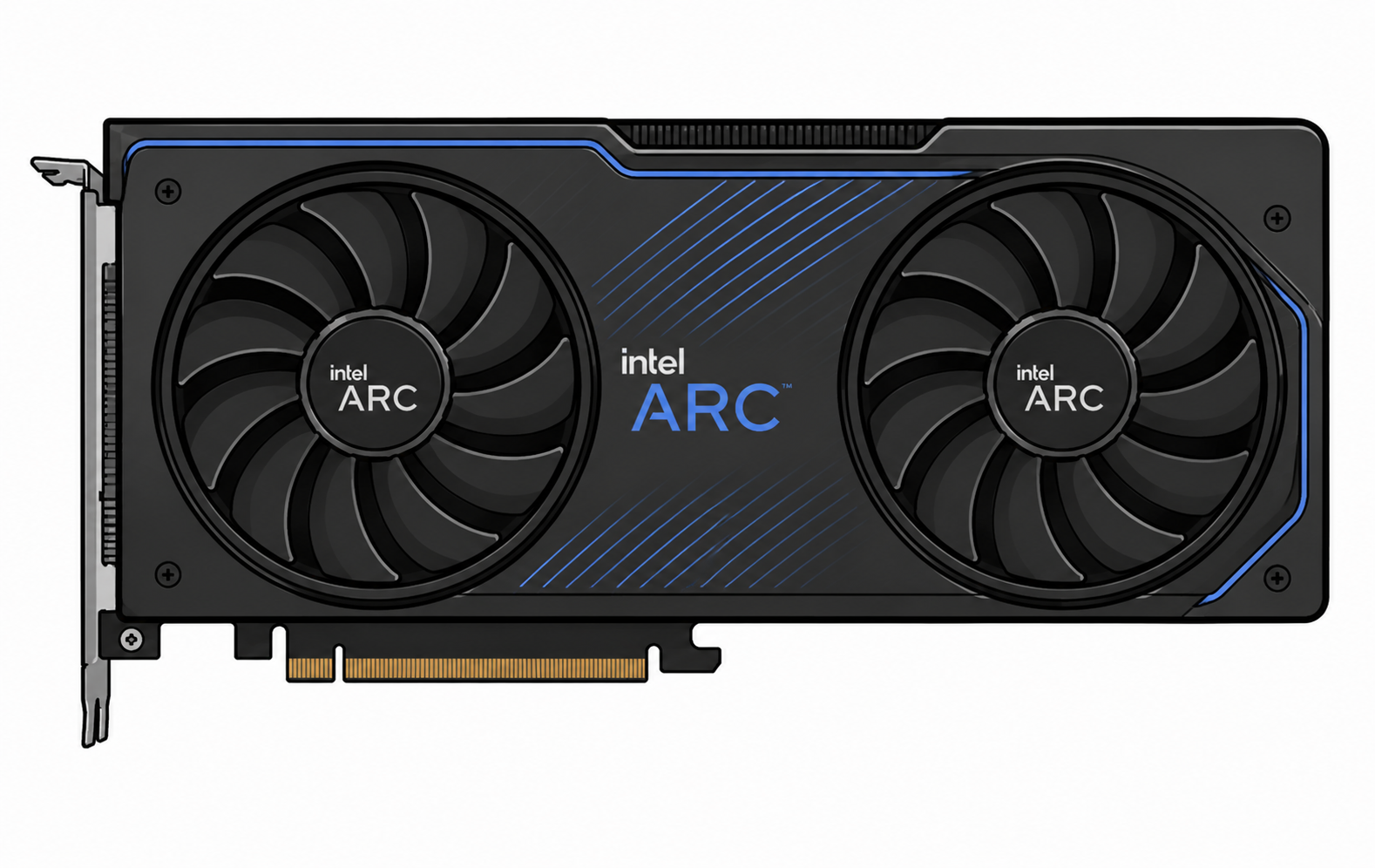 Intel
Intel NVIDIA
Performance
Price / performance
3837
6545
Graphics card ranking
Positions 116–121of 411
Which should you choose?
Two practical conclusions based on community votes and gaming value.
Intel Arc 130V
170 likesHead to Head visitors currently choose this model more often.
Overview
Scores are calculated from specifications, performance, and efficiency.
GamesDirectX, OpenCL, and Vulkan performance
38Better
37
Professional applications3D modeling, video editing, and rendering
34Better
33
AI and machine learningMachine-learning and AI capabilities
31
31
Power efficiencyPower consumption across workloads
33
49Better
Head to Head scoreOverall catalog score
40Better
35
Specifications
The better numeric value is highlighted in green, taking the metric direction into account.
DirectX
Vulkan
OpenGL
Upscaling
Compute API
HDMI
DisplayPort
Max monitors
Max resolution
USB Type-C
Recommended PSU
Length
Transistor count
Die size
Shader units / cores
Memory cache
Power consumption—
Architecture
Memory type
Launch price—
Clock speed—
Memory frequency—
Memory bandwidth—
Power consumption—
Process node—
Release date
Device class
Thickness
Base clock
Boost clock
Interface
Power connector
VRAM
Memory bus
TFLOPS
Gaming FPS
Available results are shown separately; missing data is not treated as zero.
The Gaming FPS section compares Intel Arc 130V and GTX 780 across curated H2H Lab game presets. The useful signal is not only average FPS, but also how each device behaves at 1440p and 4K, how memory capacity and bus width affect heavy textures, and whether the game engine favors raster performance, ray tracing, or driver maturity.
Intel Arc 130VGTX 780
Verified externalEstimatedSources ↗
Counter-Strike 2
1080p High
157 FPS
181 FPS
1080p Ultra
111 FPS
127 FPS
1440p Ultra
86 FPS
76 FPS
4K Ultra
43 FPS
26 FPS
Counter-Strike 2Intel Arc 130V157 FPSGTX 780181 FPSIntel Arc 130V111 FPSGTX 780127 FPSIntel Arc 130V86 FPSGTX 78076 FPSIntel Arc 130V43 FPSGTX 78026 FPS
Cyberpunk 2077Intel Arc 130V102 FPSGTX 780117 FPSIntel Arc 130V88 FPSGTX 780100 FPSIntel Arc 130V62 FPSGTX 78055 FPSIntel Arc 130V29 FPSGTX 78018 FPS
Forza Horizon 5Intel Arc 130V128 FPSGTX 780147 FPSIntel Arc 130V83 FPSGTX 78095 FPSIntel Arc 130V77 FPSGTX 78069 FPSIntel Arc 130V63 FPSGTX 78039 FPS
Hogwarts LegacyIntel Arc 130V83 FPSGTX 78095 FPSIntel Arc 130V69 FPSGTX 78080 FPSIntel Arc 130V56 FPSGTX 78050 FPSIntel Arc 130V29 FPSGTX 78018 FPS
H2H workload indices
Comparable internal indices on a fixed 0–100 scale.
H2H Raster IndexH2H Index / 10038373%
H2H Compute IndexH2H Index / 10038393%
H2H Rendering IndexH2H Index / 100384210%
H2H Memory Workload IndexH2H Index / 100056200%
H2H Efficiency IndexH2H Index / 100049200%
These are versioned H2H calculated indices derived from normalized catalog data. They are not results from a third-party benchmark.
H2H AI workload indices
Estimated workload profiles based on available performance and memory data.
H2H Image Generation IndexH2H Index / 100384517%
H2H ML Training IndexH2H Index / 100384415%
H2H Inference IndexH2H Index / 100384210%
H2H Local LLM IndexH2H Index / 100384721%
H2H Computer Vision IndexH2H Index / 100384312%
These are versioned H2H calculated indices derived from normalized catalog data. They are not results from a third-party benchmark.
Graphics APIs, SDKs and upscaling
DirectX12.211.0
Vulkan1.41.2
OpenGL4.64.6
UpscalingXeSSNot supported
Compute APIOpenCL 3.0OpenCL 3.0, CUDA 3.5
Architecture and release
ArchitectureXe2 LPGKepler
Process node—28 nm
Release date20242013
Device classMobileDesktop
GPU cores, die and clocks
Transistor countNot publicly specified7080 million
Die sizeNot publicly specified561 mm²
Shader units / coresNot publicly specified2304
Base clockOEM/TGP dependent863 MHz
Boost clockOEM/TGP dependent900 MHz
Board size, power and compatibility
InterfaceOEM platform dependentPCIe 3x16
LengthOEM dependent267 mm
ThicknessOEM dependentDual-slot
Recommended PSUOEM dependent600 W
Power connectorIntegrated laptop power8+8 pin
Display outputs and limits
HDMIOEM dependentHDMI 1.4a
DisplayPortOEM dependentDisplayPort 1.2
USB Type-COEM dependentNo
Max monitorsOEM dependent4
Max resolutionOEM dependent4096 × 2160
Memory and compute throughput
VRAMOEM configuration dependent3 GB GDDR5
Memory typeShared LPDDR5XGDDR5
Memory busOEM configuration dependent384 bit
TFLOPSOEM/TGP dependent4.156
Other comparisons
Reviews and questions
Explain this comparison
Beyond percentages: causes, relevant specifications, and practical impact behind every chart.
What AI will explain
Overall score, radar, FPS, synthetic tests, specifications, efficiency, and value.
Evidence details
Data coverage
- Verified gaming results
- 0
- Verified synthetic results
- 0
- Games with verified results
- 0
- Verified community results
- 0
- Estimated / unverified results
- 32
- Specifications
- 0 / 63
Calculated scores · How is this calculated?
Scores use the catalog model and may include estimated inputs. Open each score to see its origin and the methodology.
clamp(round(performance × 0.7 + (efficiency ?? 50) × 0.2 + (value is missing ? 0 : (value − 50) × 0.2)), 0, 100)Price evidence · View sources (3)
Verified community results
No verified community benchmarks yet.
Reviewed by
No individual editorial review is recorded for this comparison.
Comparison history
Show recorded changes (4)
- · Record updated: products
- · Record changed: product_prices
- · Record updated: products
- · Record updated: products
Why you can trust this comparison
Origin and confidence are evaluated from the evidence attached to each value. Unverified results are identified, and specification, benchmark and price dates remain separate.
Owner experiences
Real builds, results, and community feedback.
Moderator reviewedHelpful to the communityExpert badges
Frequently asked comparison questions
Short recommendations based on performance, memory, power consumption, and intended use.
01Which is better for gaming: Intel Arc 130V or GTX 780?+
Intel Arc 130V has the higher overall gaming score, while Intel Arc 130V offers the better price-to-performance ratio. The final choice depends on resolution and settings.
02Which is better for streaming?+
GTX 780 is the stronger streaming choice thanks to performance, hardware encoding, and application support. Check AV1, H.264, and HEVC support before buying.
03Which is better for Blender?+
GTX 780 is generally the better option for Blender and GPU rendering. Rendering-engine support and available VRAM also matter.
04Which is better for video editing?+
Intel Arc 130V offers more overall performance, while Intel Arc 130V offers more memory headroom. Codecs, hardware encoders, and editor optimization can change the result.
05Which is better for neural networks and AI?+
GTX 780 is the more practical option for local AI workloads. VRAM capacity, compute libraries, and framework compatibility are especially important.
06Which is better for 1080p?+
Intel Arc 130V is the most rational 1080p choice, where high frame rates and cost per frame matter most.
07Which is better for 1440p?+
Intel Arc 130V leads in combined 1440p performance. Intel Arc 130V can be preferable for heavy textures and games with high VRAM usage.
08Which is better for 4K?+
Intel Arc 130V is preferable for 4K, where total performance, memory bandwidth, and VRAM capacity have the greatest impact.
09Which is better for a quiet PC?+
GTX 780 is easier to use in a quiet build because of its lower estimated power and thermal load. Actual noise depends on the specific cooler.
10Which is better without replacing the power supply?+
GTX 780 is the safer candidate because its stated power consumption is lower. Verify PSU wattage, age, and power connectors.
11Is it worth upgrading from the previous generation?+
Consider upgrading to Intel Arc 130V if your current device no longer delivers the required FPS, memory capacity, or feature support. A gain below 15–20% is usually worth waiting for a price cut.