
AMD


Radeon RX 7700 vs GeForce GTS 240
Confronto completo di specifiche, prestazioni e benchmark
NVIDIA
GTS 240
Punteggio aggregato delle prestazioni
Abbiamo confrontato RX 7700 e GTS 240 per specifiche e test rilevanti.
↗RX 7700 supera GTS 240 del 94% secondo l’indice aggregato Head to Head.+94%
I punteggi sono normalizzati sulla scala Head to Head. Più alto è meglio. How is this calculated?Qualità dei dati H2HBench
Affidabilità bassaSpecifiche: Verifica del campo non registrataRisultati di gioco verificati: 0Risultati stimati / non verificati: 32Prezzo registrato aggiornato: 6 set 2026
Pochi dati verificati
Verdetto H2HBench
Punteggio di catalogo superiore: Radeon RX 7700 (~39%)
La differenza di punteggio non è un aumento misurato degli FPS.
Motivi per considerare RX 7700
- Indice di prestazioni del catalogo superiore
- Più memoria grafica
- Supporto delle funzioni registrato: OpenCL 2.2 · FSR
Motivi per considerare GTS 240
- Consumo dichiarato inferiore
- Prezzo di mercato registrato inferiore
- Indice di convenienza superiore
- Supporto delle funzioni registrato: OpenCL 1.1, CUDA 1.2 · Not supported
Catalog metrics radar
Gli assi senza dati sono nascosti; ogni valore usa una scala fissa.
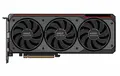 AMD
AMD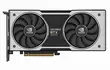 NVIDIA
Prestazioni
Efficienza
Prezzo / prestazioni
Capacità memoria
6031
10086
79100
8843
Classifica schede video
Posizioni 25–30di 321
Quale scegliere?
Due conclusioni pratiche basate sui voti della community e sul valore nei giochi.
Radeon RX 7700
109 Mi piaceI visitatori di Head to Head scelgono attualmente questo modello più spesso.
Panoramica
Scores are calculated from specifications, performance, and efficiency.
GiochiPrestazioni DirectX, OpenCL e Vulkan
60Migliore
31
Applicazioni professionaliModellazione 3D, montaggio video e rendering
50Migliore
29
IA e machine learningCapacità di machine learning e IA
47Migliore
26
Efficienza energeticaConsumo in diversi carichi
100Migliore
86
Punteggio Head to HeadPunteggio complessivo del catalogo
68Migliore
49
Specifiche
The better numeric value is highlighted in green, taking the metric direction into account.
DisplayPort
HDMI
Device class
Upscaling
Risoluzione massima
USB Type-C
DirectX
Vulkan
OpenGL
TFLOPSMigliore
Consumo energeticoMigliore
Tipo di memoria
Connettore di alimentazione
Data di uscita
ArchitetturaMigliore
Spessore
API di calcolo
Prezzo di lancioMigliore
Monitor massimi
Unità shader / coreMigliore
FrequenzaMigliore
Frequenza baseMigliore
Frequenza boostMigliore
Memoria videoMigliore
Frequenza memoriaMigliore
Bus di memoria
Banda memoriaMigliore
Interfaccia
Consumo energeticoMigliore
Processo produttivoMigliore
PSU consigliatoMigliore
LunghezzaMigliore
Dimensione del dieMigliore
Cache memoriaMigliore
Numero di transistorMigliore
FPS nei giochi
Available results are shown separately; missing data is not treated as zero.
La sezione FPS nei giochi confronta RX 7700 e GTS 240 con preset selezionati di H2H Lab. Il segnale utile non è solo l’FPS medio: contano anche 1440p e 4K, memoria e bus con texture pesanti, stabilità dell’1% low e se il motore favorisce raster, ray tracing o driver maturi.
RX 7700GTS 240
Esterno verificatoStimatoSources ↗
Counter-Strike 2
1080p High
246 FPS
152 FPS
1080p Ultra
173 FPS
107 FPS
1440p Ultra
134 FPS
60 FPS
4K Ultra
67 FPS
23 FPS
Counter-Strike 2RX 7700246 FPSGTS 240152 FPSRX 7700173 FPSGTS 240107 FPSRX 7700134 FPSGTS 24060 FPSRX 770067 FPSGTS 24023 FPS
Cyberpunk 2077RX 7700159 FPSGTS 24098 FPSRX 7700137 FPSGTS 24085 FPSRX 770097 FPSGTS 24043 FPSRX 770045 FPSGTS 24015 FPS
Forza Horizon 5RX 7700200 FPSGTS 240124 FPSRX 7700130 FPSGTS 24080 FPSRX 7700121 FPSGTS 24054 FPSRX 770098 FPSGTS 24033 FPS
Hogwarts LegacyRX 7700130 FPSGTS 24080 FPSRX 7700108 FPSGTS 24067 FPSRX 770087 FPSGTS 24039 FPSRX 770046 FPSGTS 24015 FPS
Indici workload H2H
Indici interni confrontabili su scala fissa 0–100.
H2H Raster IndexH2H Index / 100603164%
H2H Compute IndexH2H Index / 100683272%
H2H Rendering IndexH2H Index / 100683467%
H2H Memory Workload IndexH2H Index / 100884369%
H2H Efficiency IndexH2H Index / 1001008615%
Indici H2H versionati da dati di catalogo normalizzati; non sono risultati di benchmark esterni.
Indici workload IA H2H
Profili stimati in base a prestazioni e memoria disponibili.
H2H Image Generation IndexH2H Index / 100733668%
H2H ML Training IndexH2H Index / 100713665%
H2H Inference IndexH2H Index / 100683467%
H2H Local LLM IndexH2H Index / 100753865%
H2H Computer Vision IndexH2H Index / 100683564%
Indici H2H versionati da dati di catalogo normalizzati; non sono risultati di benchmark esterni.
API grafiche, SDK e upscaling
DirectX12.210.1
Vulkan1.4Not supported
OpenGL4.63.3
UpscalingFSRNot supported
API di calcoloOpenCL 2.2OpenCL 1.1, CUDA 1.2
Architettura e lancio
ArchitetturaRDNA 3.0MiglioreTesla 2.0
Processo produttivo5 nmMigliore55 nm
Data di uscita20252009
Device classDesktopDesktop
Core GPU, die e frequenze
Numero di transistor28100 millionMigliore727 million
Dimensione del die346 mm²144 mm²Migliore
Unità shader / core2560Migliore96
Frequenza base1900 MHzMigliore675 MHz
Frequenza boost2600 MHzMigliore675 MHz
Dimensioni scheda, alimentazione e compatibilità
InterfacciaPCIe 4x16PCIe 2x16
Lunghezza267 mm168 mmMigliore
SpessoreDual-slotSingle-slot
PSU consigliato550 W250 WMigliore
Connettore di alimentazione8 pin6 pin
Uscite display e limiti
HDMIHDMI 2.1aHDMI
DisplayPortDisplayPort 2.1Board dependent
USB Type-CSìNo
Monitor massimi43
Risoluzione massima7680 × 43202560 × 1600
Memoria e throughput di calcolo
Memoria video16 GB GDDR6Migliore1 GB GDDR3
Tipo di memoriaGDDR6GDDR3
Bus di memoria256 bit256 bit
TFLOPS26.62Migliore0.257
Altri confronti
Reviews and questions
Spiega questo confronto
Oltre le percentuali: cause, specifiche rilevanti e impatto pratico dietro ogni grafico.
Cosa spiegherà l’IA
Punteggio complessivo, radar, FPS, test sintetici, specifiche, efficienza e valore.
Dettagli delle evidenze
Copertura dei dati
- Risultati di gioco verificati
- 0
- Risultati sintetici verificati
- 0
- Giochi con risultati verificati
- 0
- Risultati della comunità verificati
- 0
- Risultati stimati / non verificati
- 32
- Specifiche
- 0 / 70
Punteggi calcolati · Come viene calcolato?
I punteggi usano il modello del catalogo e possono includere dati stimati. Apri ogni punteggio per vederne origine e metodologia.
clamp(round(performance × 0.7 + (efficiency ?? 50) × 0.2 + (value is missing ? 0 : (value − 50) × 0.2)), 0, 100)Evidenze dei prezzi · Mostra fonti (4)
Risultati della comunità verificati
Ancora nessun test verificato della comunità.
Verificato da
Non è registrata una verifica editoriale individuale di questo confronto.
Cronologia del confronto
Mostra modifiche registrate (3)
- · Record updated: products
- · Record updated: products
- · Record updated: products
Perché fidarsi di questo confronto
Origine e affidabilità sono valutate dalle evidenze di ogni valore. I risultati non verificati sono segnalati; le date di specifiche, test e prezzi restano separate.
Esperienze dei proprietari
Build reali, risultati e feedback della community.
Revisionato dal moderatoreUtile alla communityBadge esperto
Domande frequenti sul confronto
Short recommendations based on performance, memory, power consumption, and intended use.
01Which is better for gaming: RX 7700 or GTS 240?+
RX 7700 has the higher overall gaming score, while GTS 240 offers the better price-to-performance ratio. The final choice depends on resolution and settings.
02Which is better for streaming?+
GTS 240 is the stronger streaming choice thanks to performance, hardware encoding, and application support. Check AV1, H.264, and HEVC support before buying.
03Which is better for Blender?+
GTS 240 is generally the better option for Blender and GPU rendering. Rendering-engine support and available VRAM also matter.
04Which is better for video editing?+
RX 7700 offers more overall performance, while RX 7700 offers more memory headroom. Codecs, hardware encoders, and editor optimization can change the result.
05Which is better for neural networks and AI?+
GTS 240 is the more practical option for local AI workloads. VRAM capacity, compute libraries, and framework compatibility are especially important.
06Which is better for 1080p?+
GTS 240 is the most rational 1080p choice, where high frame rates and cost per frame matter most.
07Which is better for 1440p?+
RX 7700 leads in combined 1440p performance. RX 7700 can be preferable for heavy textures and games with high VRAM usage.
08Which is better for 4K?+
RX 7700 is preferable for 4K, where total performance, memory bandwidth, and VRAM capacity have the greatest impact.
09Which is better for a quiet PC?+
GTS 240 is easier to use in a quiet build because of its lower estimated power and thermal load. Actual noise depends on the specific cooler.
10Which is better without replacing the power supply?+
GTS 240 is the safer candidate because its stated power consumption is lower. Verify PSU wattage, age, and power connectors.
11Is it worth upgrading from the previous generation?+
Consider upgrading to RX 7700 if your current device no longer delivers the required FPS, memory capacity, or feature support. A gain below 15–20% is usually worth waiting for a price cut.