
NVIDIA

GeForce RTX 3050 8 GB vs Radeon RX 5500 XT 4GB
เปรียบเทียบสเปก ประสิทธิภาพ และเบนช์มาร์กแบบครบถ้วน
AMD
RX 5500 XT 4GB
คะแนนประสิทธิภาพรวม
เราเปรียบเทียบ RTX 3050 8 GB และ RX 5500 XT 4GB จากสเปกและการทดสอบที่เกี่ยวข้อง
↗RTX 3050 8 GB เหนือกว่า RX 5500 XT 4GB 16% ตามดัชนีรวม Head to Head+16%
คะแนนถูกปรับมาตรฐานบนสเกล Head to Head ยิ่งสูงยิ่งดีGeForce RTX 3050 8 GB vs Radeon RX 5500 XT 4GB: ข้อสรุปหลัก
การเปรียบเทียบ RTX 3050 8 GB และ RX 5500 XT 4GB แสดงว่า RTX 3050 8 GB นำ 16% ใน «ประสิทธิภาพเกม» แต่ RX 5500 XT 4GB อาจดีกว่าใน «ประสิทธิภาพต่อไฟและฟีเจอร์» ดูด้านล่างเพื่อแยกว่าความต่างมาจาก FPS, สเปก, ประสิทธิภาพ, ราคา หรือแพลตฟอร์ม
โปรไฟล์สรุป
เรดาร์เมตริกที่ยืนยันแล้ว
แกนที่ไม่มีข้อมูลจะถูกซ่อน และทุกค่าจะใช้สเกลคงที่
ประสิทธิภาพ
ประสิทธิภาพต่อพลังงาน
ราคา / ประสิทธิภาพ
ความจุหน่วยความจำ
4438
10097
100100
6860
ผลการเปรียบเทียบ
RTX 3050 8 GB เป็นตัวเลือกโดยรวมที่ดีที่สุด
RTX 3050 8 GB นำด้านประสิทธิภาพเกมรวม ส่วน RTX 3050 8 GB ให้ราคาต่อเฟรมดีกว่า การเลือกสุดท้ายขึ้นกับฟีเจอร์ หน่วยความจำ และเกมที่ใช้
RTX 3050 8 GB นำในดัชนีประสิทธิภาพรวม
RX 5500 XT 4GB ราคาถูกกว่า
ตำแหน่งในแคตตาล็อก
อันดับทั้งหมด →อันดับการ์ดจอ
อันดับ 45–50จาก 319
ข้อสรุปการเปรียบเทียบ
ควรเลือกตัวไหน?
สองข้อสรุปเชิงปฏิบัติจากคะแนนชุมชนและความคุ้มค่าในการเล่นเกม
Radeon RX 5500 XT 4GB
112 ถูกใจผู้ใช้ Head to Head เลือกรุ่นนี้บ่อยกว่าในตอนนี้
Radeon RX 5500 XT 4GB
100/100 · ราคา $229การเลือกอิงจากดัชนีราคา/ประสิทธิภาพและราคาเปิดตัว
คะแนนรวม
ภาพรวม
Scores are calculated from specifications, performance, and efficiency.
ส่วน «คะแนนสรุป» เปรียบเทียบ RTX 3050 8 GB และ RX 5500 XT 4GB ด้วยข้อมูล H2H ที่ปรับมาตรฐาน และแปลงสเปก การทดสอบ และความคุ้มค่าเป็นบริบทการซื้อที่ใช้ได้จริง
เกมประสิทธิภาพ DirectX, OpenCL และ Vulkan
44ดีกว่า
38
แอปมืออาชีพโมเดล 3D, ตัดต่อวิดีโอ และเรนเดอร์
38ดีกว่า
34
AI และ machine learningความสามารถ machine learning และ AI
36ดีกว่า
31
ประสิทธิภาพพลังงานการใช้พลังงานในโหลดต่าง ๆ
100ดีกว่า
97
คะแนน Head to Headคะแนนรวมของแคตตาล็อก
65ดีกว่า
61
การเปรียบเทียบฉบับเต็ม
ข้อมูลจำเพาะ
The better numeric value is highlighted in green, taking the metric direction into account.
ส่วน «สเปก» เปรียบเทียบ RTX 3050 8 GB และ RX 5500 XT 4GB ด้วยข้อมูล H2H ที่ปรับมาตรฐาน และแปลงสเปก การทดสอบ และความคุ้มค่าเป็นบริบทการซื้อที่ใช้ได้จริง
DisplayPortDisplayPort 1.4aDisplayPort 1.4
HDMIHDMI 2.1HDMI 2.0b
Device classDesktopDesktop
UpscalingDLSS 2AMD FidelityFX Super Resolution (FSR)
ความละเอียดสูงสุด7680 × 43207680 × 4320
USB Type-Cไม่ไม่
DirectX12.212.0
Vulkan1.41.2
OpenGL4.64.6
TFLOPS9.098ดีกว่า5.196
การใช้พลังงาน130 W130 W
ชนิดหน่วยความจำGDDR6GDDR6
ขั้วต่อไฟ8 pin8 pin
วันที่เปิดตัว20222019
สถาปัตยกรรมAmpereRDNA 1.0
ความหนาDual-slotVaries by board
Compute APIOpenCL 3.0, CUDA 8.6OpenCL 2.0 / DirectCompute 5.0
ราคาเปิดตัว$299—
หน่วย shader / คอร์2560ดีกว่า1408
ความยาว242 mmVaries by board
ความเร็วสัญญาณนาฬิกา1552 - 1777 MHz1717 - 1845 MHzดีกว่า
ความเร็วพื้นฐาน1552 MHz1717 MHzดีกว่า
ความเร็ว Boost1777 MHz1845 MHzดีกว่า
หน่วยความจำวิดีโอ8 GB GDDR6ดีกว่า4 GB GDDR6
ความถี่หน่วยความจำ14 GHz14 GHz
บัสหน่วยความจำ128 bit128 bit
แบนด์วิดท์หน่วยความจำ224 GB/s224 GB/s
อินเทอร์เฟซPCIe 4x8PCIe 4x8
การใช้พลังงาน130 W130 W
กระบวนการผลิต8 nm7 nmดีกว่า
PSU ที่แนะนำ300 WVaries by board
ขนาด die276 mm²158 mm²ดีกว่า
แคชหน่วยความจำL1 128 KB, L2 2 MBL2 2 MBดีกว่า
จำนวนทรานซิสเตอร์12000 millionดีกว่า6400 million
จำนวนจอสูงสุด4Varies by board
GAME TEST BENCH
FPS ในเกม
Available results are shown separately; missing data is not treated as zero.
ส่วน FPS เกมเปรียบเทียบ RTX 3050 8 GB และ RX 5500 XT 4GB ด้วย preset ที่คัดจาก H2H Lab สัญญาณสำคัญไม่ได้มีแค่ FPS เฉลี่ย แต่รวมถึงพฤติกรรมที่ 1440p และ 4K ผลของขนาดหน่วยความจำและความกว้างบัสต่อ texture หนัก ความนิ่งของ 1% low และว่าเอนจินเกมเอนเอียงไปทาง raster, ray tracing หรือความพร้อมของไดรเวอร์
RTX 3050 8 GBRX 5500 XT 4GB
ตรวจสอบโดย H2Hตรวจสอบโดยชุมชนประมาณการคาดการณ์

Black Myth: Wukong
1080p High
26 FPSประมาณการ 66%
23 FPSประมาณการ 66%
1080p Ultra
22 FPSประมาณการ 66%
19 FPSประมาณการ 66%
1440p Ultra
14 FPSประมาณการ 63%
11 FPSประมาณการ 61%
4K Ultra
5 FPSประมาณการ 55%
5 FPSประมาณการ 55%
Black Myth: WukongRTX 3050 8 GB26 FPSประมาณการ 66%RX 5500 XT 4GB23 FPSประมาณการ 66%RTX 3050 8 GB22 FPSประมาณการ 66%RX 5500 XT 4GB19 FPSประมาณการ 66%RTX 3050 8 GB14 FPSประมาณการ 63%RX 5500 XT 4GB11 FPSประมาณการ 61%RTX 3050 8 GB5 FPSประมาณการ 55%RX 5500 XT 4GB5 FPSประมาณการ 55%
Call of Duty: WarzoneRTX 3050 8 GB26 FPSประมาณการ 66%RX 5500 XT 4GB23 FPSประมาณการ 66%RTX 3050 8 GB22 FPSประมาณการ 66%RX 5500 XT 4GB19 FPSประมาณการ 66%RTX 3050 8 GB14 FPSประมาณการ 63%RX 5500 XT 4GB11 FPSประมาณการ 61%RTX 3050 8 GB5 FPSประมาณการ 55%RX 5500 XT 4GB5 FPSประมาณการ 55%
Counter-Strike 2RTX 3050 8 GB215 FPSประมาณการ 74%RX 5500 XT 4GB189 FPSประมาณการ 74%RTX 3050 8 GB151 FPSประมาณการ 74%RX 5500 XT 4GB133 FPSประมาณการ 74%RTX 3050 8 GB101 FPSประมาณการ 71%RX 5500 XT 4GB78 FPSประมาณการ 69%RTX 3050 8 GB29 FPSประมาณการ 63%RX 5500 XT 4GB23 FPSประมาณการ 62%
Cyberpunk 2077RTX 3050 8 GB139 FPSประมาณการ 74%RX 5500 XT 4GB122 FPSประมาณการ 74%RTX 3050 8 GB120 FPSประมาณการ 74%RX 5500 XT 4GB105 FPSประมาณการ 74%RTX 3050 8 GB73 FPSประมาณการ 71%RX 5500 XT 4GB56 FPSประมาณการ 69%RTX 3050 8 GB20 FPSประมาณการ 63%RX 5500 XT 4GB16 FPSประมาณการ 62%
Forza Horizon 5RTX 3050 8 GB175 FPSประมาณการ 80%RX 5500 XT 4GB154 FPSประมาณการ 80%RTX 3050 8 GB114 FPSประมาณการ 74%RX 5500 XT 4GB100 FPSประมาณการ 74%RTX 3050 8 GB91 FPSประมาณการ 71%RX 5500 XT 4GB70 FPSประมาณการ 69%RTX 3050 8 GB43 FPSประมาณการ 63%RX 5500 XT 4GB34 FPSประมาณการ 62%
God of War RagnarökRTX 3050 8 GB26 FPSประมาณการ 66%RX 5500 XT 4GB23 FPSประมาณการ 66%RTX 3050 8 GB22 FPSประมาณการ 66%RX 5500 XT 4GB19 FPSประมาณการ 66%RTX 3050 8 GB14 FPSประมาณการ 63%RX 5500 XT 4GB11 FPSประมาณการ 61%RTX 3050 8 GB5 FPSประมาณการ 55%RX 5500 XT 4GB5 FPSประมาณการ 55%
Hogwarts LegacyRTX 3050 8 GB114 FPSประมาณการ 74%RX 5500 XT 4GB100 FPSประมาณการ 74%RTX 3050 8 GB95 FPSประมาณการ 74%RX 5500 XT 4GB83 FPSประมาณการ 74%RTX 3050 8 GB65 FPSประมาณการ 71%RX 5500 XT 4GB50 FPSประมาณการ 69%RTX 3050 8 GB20 FPSประมาณการ 63%RX 5500 XT 4GB16 FPSประมาณการ 62%
Microsoft Flight Simulator 2024RTX 3050 8 GB26 FPSประมาณการ 66%RX 5500 XT 4GB23 FPSประมาณการ 66%RTX 3050 8 GB22 FPSประมาณการ 66%RX 5500 XT 4GB19 FPSประมาณการ 66%RTX 3050 8 GB14 FPSประมาณการ 63%RX 5500 XT 4GB11 FPSประมาณการ 61%RTX 3050 8 GB5 FPSประมาณการ 55%RX 5500 XT 4GB5 FPSประมาณการ 55%
Monster Hunter WildsRTX 3050 8 GB26 FPSประมาณการ 66%RX 5500 XT 4GB23 FPSประมาณการ 66%RTX 3050 8 GB22 FPSประมาณการ 66%RX 5500 XT 4GB19 FPSประมาณการ 66%RTX 3050 8 GB14 FPSประมาณการ 63%RX 5500 XT 4GB11 FPSประมาณการ 61%RTX 3050 8 GB5 FPSประมาณการ 55%RX 5500 XT 4GB5 FPSประมาณการ 55%
StarfieldRTX 3050 8 GB26 FPSประมาณการ 66%RX 5500 XT 4GB23 FPSประมาณการ 66%RTX 3050 8 GB22 FPSประมาณการ 66%RX 5500 XT 4GB19 FPSประมาณการ 66%RTX 3050 8 GB14 FPSประมาณการ 63%RX 5500 XT 4GB11 FPSประมาณการ 61%RTX 3050 8 GB5 FPSประมาณการ 55%RX 5500 XT 4GB5 FPSประมาณการ 55%
HEAD TO HEAD · ดัชนีคำนวณ
ดัชนี workload H2H
ดัชนีภายในที่เทียบกันได้บนสเกลคงที่ 0–100
ส่วน «Benchmark» เปรียบเทียบ RTX 3050 8 GB และ RX 5500 XT 4GB ด้วยข้อมูล H2H ที่ปรับมาตรฐาน และแปลงสเปก การทดสอบ และความคุ้มค่าเป็นบริบทการซื้อที่ใช้ได้จริง
H2H Raster IndexH2H Index / 100443815%
H2H Compute IndexH2H Index / 100504511%
H2H Rendering IndexH2H Index / 100514415%
H2H Memory Workload IndexH2H Index / 100686013%
H2H Efficiency IndexH2H Index / 100100973%
ดัชนี H2H จากข้อมูลแคตตาล็อกที่ปรับมาตรฐาน ไม่ใช่ผล benchmark ภายนอก
HEAD TO HEAD · ดัชนีคำนวณ
ดัชนี workload AI H2H
โปรไฟล์ประมาณจากข้อมูลประสิทธิภาพและหน่วยความจำที่มี
ส่วน «การเปรียบเทียบละเอียด» เปรียบเทียบ RTX 3050 8 GB และ RX 5500 XT 4GB ด้วยข้อมูล H2H ที่ปรับมาตรฐาน และแปลงสเปก การทดสอบ และความคุ้มค่าเป็นบริบทการซื้อที่ใช้ได้จริง
H2H Image Generation IndexH2H Index / 100554814%
H2H ML Training IndexH2H Index / 100544714%
H2H Inference IndexH2H Index / 100514415%
H2H Local LLM IndexH2H Index / 100575013%
H2H Computer Vision IndexH2H Index / 100514513%
ดัชนี H2H จากข้อมูลแคตตาล็อกที่ปรับมาตรฐาน ไม่ใช่ผล benchmark ภายนอก
API กราฟิก, SDK และ upscaling
ส่วน «กราฟิก API, SDK และ upscaling» เปรียบเทียบ RTX 3050 8 GB และ RX 5500 XT 4GB ด้วยข้อมูล H2H ที่ปรับมาตรฐาน และแปลงสเปก การทดสอบ และความคุ้มค่าเป็นบริบทการซื้อที่ใช้ได้จริง
DirectX12.212.0
Vulkan1.41.2
OpenGL4.64.6
UpscalingDLSS 2AMD FidelityFX Super Resolution (FSR)
Compute APIOpenCL 3.0, CUDA 8.6OpenCL 2.0 / DirectCompute 5.0
สถาปัตยกรรมและวันเปิดตัว
ส่วน «สถาปัตยกรรมและวันเปิดตัว» เปรียบเทียบ RTX 3050 8 GB และ RX 5500 XT 4GB ด้วยข้อมูล H2H ที่ปรับมาตรฐาน และแปลงสเปก การทดสอบ และความคุ้มค่าเป็นบริบทการซื้อที่ใช้ได้จริง
สถาปัตยกรรมAmpereRDNA 1.0
กระบวนการผลิต8 nm7 nmดีกว่า
วันที่เปิดตัว20222019
Device classDesktopDesktop
คอร์ GPU, die และความเร็ว
ส่วน «คอร์และความเร็ว» เปรียบเทียบ RTX 3050 8 GB และ RX 5500 XT 4GB ด้วยข้อมูล H2H ที่ปรับมาตรฐาน และแปลงสเปก การทดสอบ และความคุ้มค่าเป็นบริบทการซื้อที่ใช้ได้จริง
จำนวนทรานซิสเตอร์12000 millionดีกว่า6400 million
ขนาด die276 mm²158 mm²ดีกว่า
หน่วย shader / คอร์2560ดีกว่า1408
ความเร็วพื้นฐาน1552 MHz1717 MHzดีกว่า
ความเร็ว Boost1777 MHz1845 MHzดีกว่า
ขนาดบอร์ด พลังงาน และความเข้ากันได้
ส่วน «ฟอร์มแฟกเตอร์และความเข้ากันได้» เปรียบเทียบ RTX 3050 8 GB และ RX 5500 XT 4GB ด้วยข้อมูล H2H ที่ปรับมาตรฐาน และแปลงสเปก การทดสอบ และความคุ้มค่าเป็นบริบทการซื้อที่ใช้ได้จริง
อินเทอร์เฟซPCIe 4x8PCIe 4x8
ความยาว242 mmVaries by board
ความหนาDual-slotVaries by board
PSU ที่แนะนำ300 WVaries by board
ขั้วต่อไฟ8 pin8 pin
พอร์ตแสดงผลและข้อจำกัด
ส่วน «พอร์ตแสดงผล» เปรียบเทียบ RTX 3050 8 GB และ RX 5500 XT 4GB ด้วยข้อมูล H2H ที่ปรับมาตรฐาน และแปลงสเปก การทดสอบ และความคุ้มค่าเป็นบริบทการซื้อที่ใช้ได้จริง
HDMIHDMI 2.1HDMI 2.0b
DisplayPortDisplayPort 1.4aDisplayPort 1.4
USB Type-Cไม่ไม่
จำนวนจอสูงสุด4Varies by board
ความละเอียดสูงสุด7680 × 43207680 × 4320
หน่วยความจำและ throughput การคำนวณ
ส่วน «VRAM และแบนด์วิดท์» เปรียบเทียบ RTX 3050 8 GB และ RX 5500 XT 4GB ด้วยข้อมูล H2H ที่ปรับมาตรฐาน และแปลงสเปก การทดสอบ และความคุ้มค่าเป็นบริบทการซื้อที่ใช้ได้จริง
หน่วยความจำวิดีโอ8 GB GDDR6ดีกว่า4 GB GDDR6
ชนิดหน่วยความจำGDDR6GDDR6
บัสหน่วยความจำ128 bit128 bit
TFLOPS9.098ดีกว่า5.196
HEAD TO HEAD · ค้นพบ
6การเปรียบเทียบอื่น
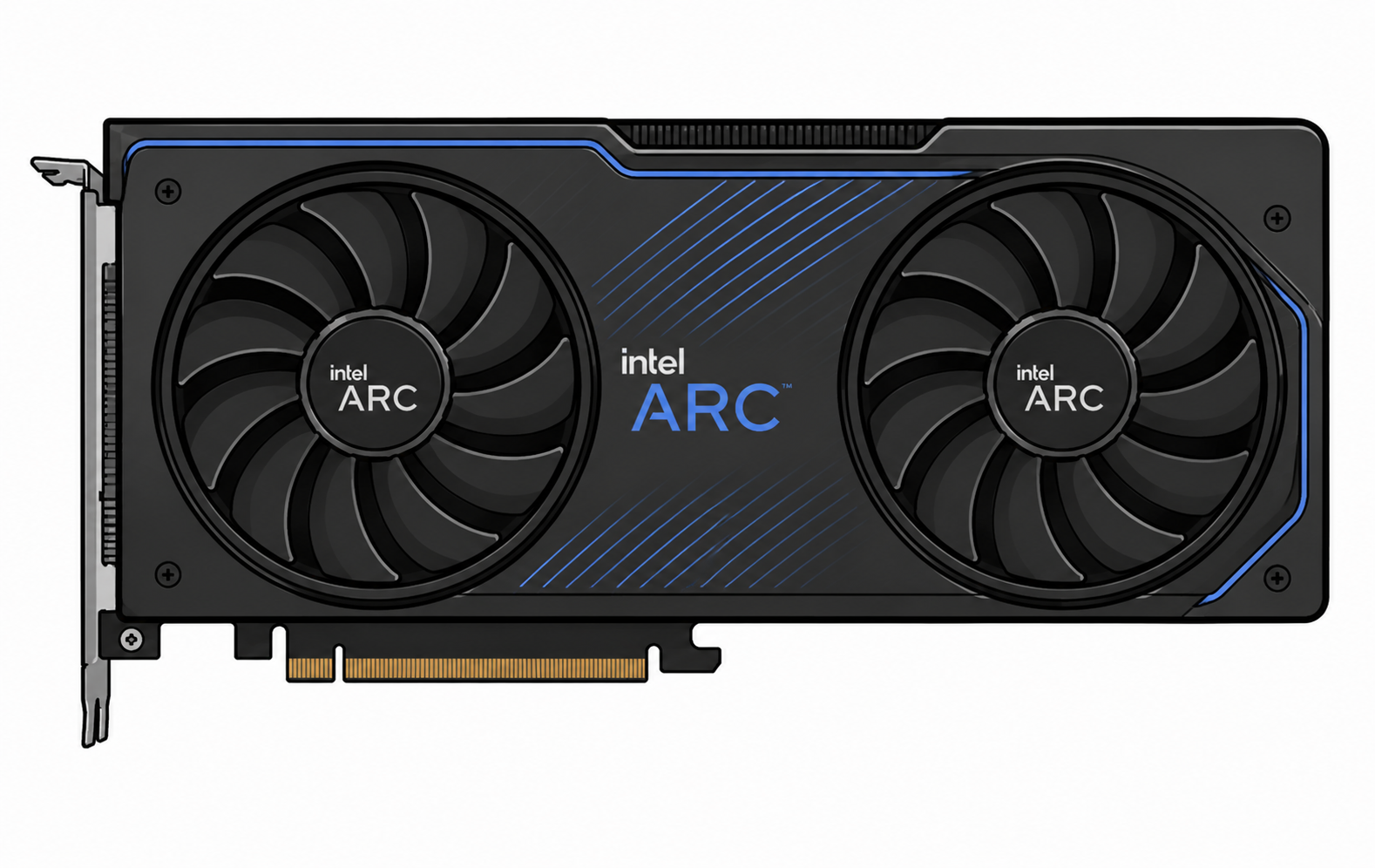 Arc A310IntelVS
 GTX 1050 3GBNVIDIAเปิดการเปรียบเทียบ →Arc A310IntelVSGTX 1630NVIDIAเปิดการเปรียบเทียบ →Arc A310IntelVSGTX 1650NVIDIAเปิดการเปรียบเทียบ →Arc A310IntelVS
 Navi II 2CU 7xxx/9xxxAMDเปิดการเปรียบเทียบ →Arc A310IntelVSRX 5500AMDเปิดการเปรียบเทียบ →Arc A310IntelVSRX 6400AMDเปิดการเปรียบเทียบ →
Reviews and questions
AI อธิบาย · HEAD TO HEAD
อธิบายการเปรียบเทียบนี้
มากกว่าเปอร์เซ็นต์: สาเหตุ สเปกที่เกี่ยวข้อง และผลกระทบจริงหลังกราฟแต่ละอัน
AI จะอธิบายอะไร
คะแนนรวม เรดาร์ FPS การทดสอบสังเคราะห์ สเปก ประสิทธิภาพ และความคุ้มค่า
สเปกจริง
ประสบการณ์จากเจ้าของ
สเปกจริง ผลลัพธ์ และความคิดเห็นจากชุมชน
♢ผ่านการตรวจโดยผู้ดูแล☆เป็นประโยชน์ต่อชุมชน🏅เหรียญผู้เชี่ยวชาญ
คำถามที่พบบ่อยเกี่ยวกับการเปรียบเทียบ
Short recommendations based on performance, memory, power consumption, and intended use.
01Which is better for gaming: RTX 3050 8 GB or RX 5500 XT 4GB?+
RTX 3050 8 GB has the higher overall gaming score, while RTX 3050 8 GB offers the better price-to-performance ratio. The final choice depends on resolution and settings.
02Which is better for streaming?+
RTX 3050 8 GB is the stronger streaming choice thanks to performance, hardware encoding, and application support. Check AV1, H.264, and HEVC support before buying.
03Which is better for Blender?+
RTX 3050 8 GB is generally the better option for Blender and GPU rendering. Rendering-engine support and available VRAM also matter.
04Which is better for video editing?+
RTX 3050 8 GB offers more overall performance, while RTX 3050 8 GB offers more memory headroom. Codecs, hardware encoders, and editor optimization can change the result.
05Which is better for neural networks and AI?+
RTX 3050 8 GB is the more practical option for local AI workloads. VRAM capacity, compute libraries, and framework compatibility are especially important.
06Which is better for 1080p?+
RTX 3050 8 GB is the most rational 1080p choice, where high frame rates and cost per frame matter most.
07Which is better for 1440p?+
RTX 3050 8 GB leads in combined 1440p performance. RTX 3050 8 GB can be preferable for heavy textures and games with high VRAM usage.
08Which is better for 4K?+
RTX 3050 8 GB is preferable for 4K, where total performance, memory bandwidth, and VRAM capacity have the greatest impact.
09Which is better for a quiet PC?+
RTX 3050 8 GB is easier to use in a quiet build because of its lower estimated power and thermal load. Actual noise depends on the specific cooler.
10Which is better without replacing the power supply?+
RTX 3050 8 GB is the safer candidate because its stated power consumption is lower. Verify PSU wattage, age, and power connectors.
11Is it worth upgrading from the previous generation?+
Consider upgrading to RTX 3050 8 GB if your current device no longer delivers the required FPS, memory capacity, or feature support. A gain below 15–20% is usually worth waiting for a price cut.