
NVIDIA

GeForce RTX 3090 vs GeForce 8400 GS
Comparaison complète des caractéristiques, performances et benchmarks
NVIDIA
8400 GS
Score de performance agrégé
Nous avons comparé RTX 3090 et 8400 GS selon les caractéristiques et les tests pertinents.
↗RTX 3090 devance 8400 GS de 62% selon l’indice agrégé Head to Head.+62%
Les scores sont normalisés sur l’échelle Head to Head. Plus haut est meilleur.GeForce RTX 3090 vs GeForce 8400 GS: point clé
La comparaison entre RTX 3090 et 8400 GS montre un avantage de 62% pour RTX 3090 en «performance en jeu», tandis que 8400 GS peut être meilleur en «rapport qualité-prix». Les sections ci-dessous montrent si l’écart vient des FPS, des specs, du prix ou de l’efficacité.
PROFIL RÉSUMÉ
Radar des métriques vérifiées
Les axes sans données sont masqués ; chaque valeur utilise une échelle fixe.
Performance
Efficacité
Prix / performance
Capacité mémoire
6842
65100
74100
10013
RÉSULTAT DE COMPARAISON
RTX 3090 est le meilleur choix global
RTX 3090 mène en performance de jeu combinée. 8400 GS offre le meilleur prix par image ; le choix final dépend des fonctions, de la mémoire et des jeux.
RTX 3090 mène dans l’indice combiné
8400 GS coûte moins cher
POSITION DANS LE CATALOGUE
Classement complet →Classement des cartes graphiques
Positions 53–58sur 319
VERDICT DE COMPARAISON
Lequel choisir ?
Deux conclusions pratiques basées sur les votes de la communauté et la valeur en jeu.
GeForce RTX 3090
180 J’aimeLes visiteurs de Head to Head choisissent actuellement ce modèle plus souvent.
GeForce 8400 GS
100/100 · Prix $79Le choix repose sur l’indice prix/performance et le prix de lancement.
NOTE GLOBALE
Aperçu
Scores are calculated from specifications, performance, and efficiency.
La section «Score résumé» compare RTX 3090 et 8400 GS avec des données H2H normalisées et transforme les caractéristiques, tests et signaux de valeur en contexte d’achat.
JeuxPerformances DirectX, OpenCL et Vulkan
68Meilleur
42
Applications professionnellesModélisation 3D, montage vidéo et rendu
55Meilleur
37
IA et machine learningCapacités de machine learning et d’IA
53Meilleur
34
Efficacité énergétiqueConsommation selon les charges
65
100Meilleur
Score Head to HeadScore global du catalogue
69Meilleur
64
COMPARAISON COMPLÈTE
Caractéristiques
The better numeric value is highlighted in green, taking the metric direction into account.
La section «Caractéristiques» compare RTX 3090 et 8400 GS avec des données H2H normalisées et transforme les caractéristiques, tests et signaux de valeur en contexte d’achat.
DisplayPortDisplayPort 1.4aBoard dependent
HDMIHDMI 2.1Board dependent
Device classDesktopDesktop
UpscalingDLSS 2Not supported
DirectX12.210.0
Vulkan1.4Not supported
OpenGL4.63.3
TFLOPS35.58Meilleur0.029
Consommation électrique350 W40 WMeilleur
Type de mémoireGDDR6XDDR2
Connecteur d’alimentation16 pinNone
Date de sortie20202007
ArchitectureAmpereTesla
ÉpaisseurTriple-slotSingle-slot
API de calculOpenCL 3.0, CUDA 8.6OpenCL 1.1, CUDA 1.1
Prix de lancement$1499$79Meilleur
Unités shader / cœurs10496Meilleur16
Longueur336 mm170 mmMeilleur
Fréquence1395 - 1695 MHzMeilleur567 MHz
Fréquence de base1395 MHzMeilleur567 MHz
Fréquence boost1695 MHzMeilleur567 MHz
Mémoire vidéo24 GB GDDR6X512 MB DDR2Meilleur
Fréquence mémoire19,5 GHz800 MHzMeilleur
Bus mémoire384 bitMeilleur64 bit
Bande passante mémoire936 GB/s6400 GB/sMeilleur
InterfacePCIe 4x16PCIe 1x16
Consommation électrique350 W40 WMeilleur
Procédé de gravure8 nmMeilleur80 nm
Alimentation recommandée750 W200 WMeilleur
Taille du die628 mm²127 mm²Meilleur
Cache mémoireL1 128 KB, L2 6 MBL2 0.02 MBMeilleur
Nombre de transistors28300 millionMeilleur210 million
Nombre max. d’écrans43
Résolution max.7680 × 43202560 × 1600
USB Type-CNonNon
GAME TEST BENCH
FPS en jeu
Available results are shown separately; missing data is not treated as zero.
La section FPS en jeu compare RTX 3090 et 8400 GS sur des presets H2H Lab sélectionnés. Le signal utile n’est pas seulement le FPS moyen : il faut aussi regarder le comportement en 1440p et 4K, l’effet de la mémoire et du bus sur les textures lourdes, la stabilité du 1% low et la préférence du moteur pour le raster, le ray tracing ou les pilotes mûrs.
RTX 30908400 GS
Vérifié H2HVérifié par la communautéEstiméPrévu
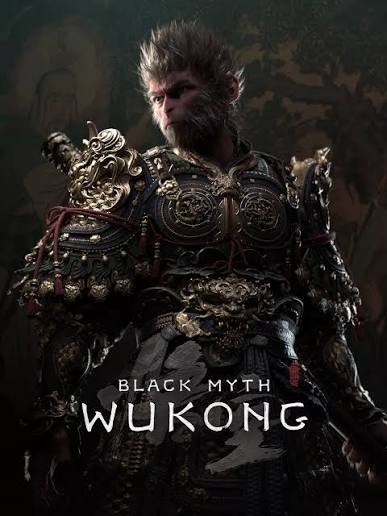
Black Myth: Wukong
1080p High
33 FPSEstimé 66%
24 FPSEstimé 64%
1080p Ultra
28 FPSEstimé 66%
21 FPSEstimé 64%
1440p Ultra
21 FPSEstimé 66%
12 FPSEstimé 60%
4K Ultra
12 FPSEstimé 66%
5 FPSEstimé 56%
Black Myth: WukongRTX 309033 FPSEstimé 66%8400 GS24 FPSEstimé 64%RTX 309028 FPSEstimé 66%8400 GS21 FPSEstimé 64%RTX 309021 FPSEstimé 66%8400 GS12 FPSEstimé 60%RTX 309012 FPSEstimé 66%8400 GS5 FPSEstimé 56%
Call of Duty: WarzoneRTX 309033 FPSEstimé 66%8400 GS24 FPSEstimé 64%RTX 309028 FPSEstimé 66%8400 GS21 FPSEstimé 64%RTX 309021 FPSEstimé 66%8400 GS12 FPSEstimé 60%RTX 309012 FPSEstimé 66%8400 GS5 FPSEstimé 56%
Counter-Strike 2RTX 3090281 FPSEstimé 74%8400 GS204 FPSEstimé 72%RTX 3090197 FPSEstimé 74%8400 GS143 FPSEstimé 72%RTX 3090153 FPSEstimé 74%8400 GS88 FPSEstimé 68%RTX 309076 FPSEstimé 74%8400 GS34 FPSEstimé 64%
Cyberpunk 2077RTX 3090181 FPSEstimé 74%8400 GS132 FPSEstimé 72%RTX 3090156 FPSEstimé 74%8400 GS113 FPSEstimé 72%RTX 3090111 FPSEstimé 74%8400 GS64 FPSEstimé 68%RTX 309051 FPSEstimé 74%8400 GS23 FPSEstimé 64%
Forza Horizon 5RTX 3090229 FPSEstimé 80%8400 GS166 FPSEstimé 78%RTX 3090148 FPSEstimé 74%8400 GS108 FPSEstimé 72%RTX 3090138 FPSEstimé 74%8400 GS79 FPSEstimé 68%RTX 3090112 FPSEstimé 74%8400 GS49 FPSEstimé 64%
God of War RagnarökRTX 309033 FPSEstimé 66%8400 GS24 FPSEstimé 64%RTX 309028 FPSEstimé 66%8400 GS21 FPSEstimé 64%RTX 309021 FPSEstimé 66%8400 GS12 FPSEstimé 60%RTX 309012 FPSEstimé 66%8400 GS5 FPSEstimé 56%
Hogwarts LegacyRTX 3090148 FPSEstimé 74%8400 GS108 FPSEstimé 72%RTX 3090124 FPSEstimé 74%8400 GS90 FPSEstimé 72%RTX 3090100 FPSEstimé 74%8400 GS57 FPSEstimé 68%RTX 309052 FPSEstimé 74%8400 GS23 FPSEstimé 64%
Microsoft Flight Simulator 2024RTX 309033 FPSEstimé 66%8400 GS24 FPSEstimé 64%RTX 309028 FPSEstimé 66%8400 GS21 FPSEstimé 64%RTX 309021 FPSEstimé 66%8400 GS12 FPSEstimé 60%RTX 309012 FPSEstimé 66%8400 GS5 FPSEstimé 56%
Monster Hunter WildsRTX 309033 FPSEstimé 66%8400 GS24 FPSEstimé 64%RTX 309028 FPSEstimé 66%8400 GS21 FPSEstimé 64%RTX 309021 FPSEstimé 66%8400 GS12 FPSEstimé 60%RTX 309012 FPSEstimé 66%8400 GS5 FPSEstimé 56%
StarfieldRTX 309033 FPSEstimé 66%8400 GS24 FPSEstimé 64%RTX 309028 FPSEstimé 66%8400 GS21 FPSEstimé 64%RTX 309021 FPSEstimé 66%8400 GS12 FPSEstimé 60%RTX 309012 FPSEstimé 66%8400 GS5 FPSEstimé 56%
HEAD TO HEAD · INDICE CALCULÉ
Indices de charge H2H
Indices internes comparables sur une échelle fixe 0–100.
La section «Benchmarks» compare RTX 3090 et 8400 GS avec des données H2H normalisées et transforme les caractéristiques, tests et signaux de valeur en contexte d’achat.
H2H Raster IndexH2H Index / 100684247%
H2H Compute IndexH2H Index / 100713470%
H2H Rendering IndexH2H Index / 100773477%
H2H Memory Workload IndexH2H Index / 10010013154%
H2H Efficiency IndexH2H Index / 1006510042%
Indices H2H versionnés issus de données catalogue normalisées ; ce ne sont pas des résultats de benchmarks tiers.
HEAD TO HEAD · INDICE CALCULÉ
Indices de charge IA H2H
Profils estimés selon les données de performance et mémoire disponibles.
La section «Comparaison détaillée» compare RTX 3090 et 8400 GS avec des données H2H normalisées et transforme les caractéristiques, tests et signaux de valeur en contexte d’achat.
H2H Image Generation IndexH2H Index / 100822995%
H2H ML Training IndexH2H Index / 100813092%
H2H Inference IndexH2H Index / 100773477%
H2H Local LLM IndexH2H Index / 1008626107%
H2H Computer Vision IndexH2H Index / 100783381%
Indices H2H versionnés issus de données catalogue normalisées ; ce ne sont pas des résultats de benchmarks tiers.
API graphiques, SDK et upscaling
La section «API graphiques, SDK et upscaling» compare RTX 3090 et 8400 GS avec des données H2H normalisées et transforme les caractéristiques, tests et signaux de valeur en contexte d’achat.
DirectX12.210.0
Vulkan1.4Not supported
OpenGL4.63.3
UpscalingDLSS 2Not supported
API de calculOpenCL 3.0, CUDA 8.6OpenCL 1.1, CUDA 1.1
Architecture et sortie
La section «Architecture et sortie» compare RTX 3090 et 8400 GS avec des données H2H normalisées et transforme les caractéristiques, tests et signaux de valeur en contexte d’achat.
ArchitectureAmpereTesla
Procédé de gravure8 nmMeilleur80 nm
Date de sortie20202007
Device classDesktopDesktop
Cœurs GPU, die et fréquences
La section «Cœurs et fréquences» compare RTX 3090 et 8400 GS avec des données H2H normalisées et transforme les caractéristiques, tests et signaux de valeur en contexte d’achat.
Nombre de transistors28300 millionMeilleur210 million
Taille du die628 mm²127 mm²Meilleur
Unités shader / cœurs10496Meilleur16
Fréquence de base1395 MHzMeilleur567 MHz
Fréquence boost1695 MHzMeilleur567 MHz
Format de carte, alimentation et compatibilité
La section «Format et compatibilité» compare RTX 3090 et 8400 GS avec des données H2H normalisées et transforme les caractéristiques, tests et signaux de valeur en contexte d’achat.
InterfacePCIe 4x16PCIe 1x16
Longueur336 mm170 mmMeilleur
ÉpaisseurTriple-slotSingle-slot
Alimentation recommandée750 W200 WMeilleur
Connecteur d’alimentation16 pinNone
Sorties vidéo et limites
La section «Sorties vidéo» compare RTX 3090 et 8400 GS avec des données H2H normalisées et transforme les caractéristiques, tests et signaux de valeur en contexte d’achat.
HDMIHDMI 2.1Board dependent
DisplayPortDisplayPort 1.4aBoard dependent
USB Type-CNonNon
Nombre max. d’écrans43
Résolution max.7680 × 43202560 × 1600
Mémoire et débit de calcul
La section «VRAM et bande passante» compare RTX 3090 et 8400 GS avec des données H2H normalisées et transforme les caractéristiques, tests et signaux de valeur en contexte d’achat.
Mémoire vidéo24 GB GDDR6X512 MB DDR2Meilleur
Type de mémoireGDDR6XDDR2
Bus mémoire384 bitMeilleur64 bit
TFLOPS35.58Meilleur0.029
HEAD TO HEAD · DÉCOUVRIR
6Autres comparaisons
 Arc A310IntelVS
 GTX 1050 3GBNVIDIAOuvrir la comparaison →Arc A310IntelVSGTX 1630NVIDIAOuvrir la comparaison →Arc A310IntelVSGTX 1650NVIDIAOuvrir la comparaison →Arc A310IntelVS
 Navi II 2CU 7xxx/9xxxAMDOuvrir la comparaison →Arc A310IntelVSRX 5500AMDOuvrir la comparaison →Arc A310IntelVSRX 6400AMDOuvrir la comparaison →
Reviews and questions
EXPLICATION IA · HEAD TO HEAD
Expliquer cette comparaison
Au-delà des pourcentages : causes, caractéristiques pertinentes et impact pratique derrière chaque graphique.
Ce que l’IA expliquera
Score global, radar, FPS, tests synthétiques, caractéristiques, efficacité et valeur.
CONFIGURATIONS RÉELLES
Expériences des propriétaires
Configurations réelles, résultats et retours de la communauté.
♢Vérifié par la modération☆Utile à la communauté🏅Badges d’expert
Questions fréquentes sur la comparaison
Short recommendations based on performance, memory, power consumption, and intended use.
01Which is better for gaming: RTX 3090 or 8400 GS?+
RTX 3090 has the higher overall gaming score, while 8400 GS offers the better price-to-performance ratio. The final choice depends on resolution and settings.
02Which is better for streaming?+
RTX 3090 is the stronger streaming choice thanks to performance, hardware encoding, and application support. Check AV1, H.264, and HEVC support before buying.
03Which is better for Blender?+
RTX 3090 is generally the better option for Blender and GPU rendering. Rendering-engine support and available VRAM also matter.
04Which is better for video editing?+
RTX 3090 offers more overall performance, while RTX 3090 offers more memory headroom. Codecs, hardware encoders, and editor optimization can change the result.
05Which is better for neural networks and AI?+
RTX 3090 is the more practical option for local AI workloads. VRAM capacity, compute libraries, and framework compatibility are especially important.
06Which is better for 1080p?+
8400 GS is the most rational 1080p choice, where high frame rates and cost per frame matter most.
07Which is better for 1440p?+
RTX 3090 leads in combined 1440p performance. RTX 3090 can be preferable for heavy textures and games with high VRAM usage.
08Which is better for 4K?+
RTX 3090 is preferable for 4K, where total performance, memory bandwidth, and VRAM capacity have the greatest impact.
09Which is better for a quiet PC?+
8400 GS is easier to use in a quiet build because of its lower estimated power and thermal load. Actual noise depends on the specific cooler.
10Which is better without replacing the power supply?+
8400 GS is the safer candidate because its stated power consumption is lower. Verify PSU wattage, age, and power connectors.
11Is it worth upgrading from the previous generation?+
Consider upgrading to RTX 3090 if your current device no longer delivers the required FPS, memory capacity, or feature support. A gain below 15–20% is usually worth waiting for a price cut.